


Why we use Infrared Curing for Biosensors and Chips
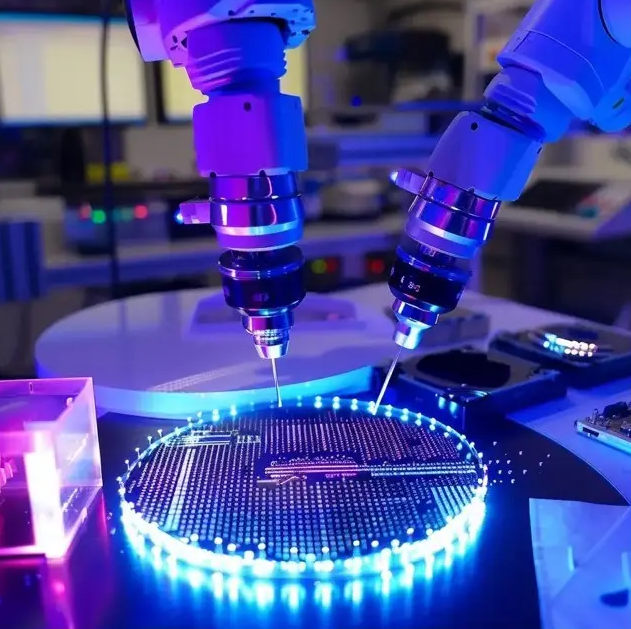
When you’re building biosensors, you’re playing a dangerous game with heat. You need to cure your adhesives and layers just right, but if you push it too far, you’ll fry the biological parts. It’s a delicate balance. That’s why we lean on short-wave infrared (IR) lamps. Instead of trying to heat up the air around the part, IR sends energy straight into the material itself. It’s direct. It’s clean. And it just works. The problem with old-school ovens Think about a traditional convection oven. You’re basically heating a giant box of air and hoping that heat eventually reaches your part. It’s slow, it wastes a ton of power, and it can kick up contaminants you really don’t want in a cleanroom. IR is different. It uses photons to penetrate the surface, triggering polymerization or drying out solvents almost instantly. There’s no waiting around for a “pre-heat” cycle. You just turn it on and go. Keeping things green (without the headache) The industry is pushing hard for lead-free and “green” standards, and honestly, it’s about time. IR curing makes this easy because it’s purely electrical. No combustion. No CO2. No weird fumes. Plus, because the heat is so targeted, you don’t need those massive, noisy ventilation systems that gas ovens require. It makes the whole cleanroom feel a bit more breathable and drops your carbon footprint without you having to overthink it. The catch Now, it’s not all magic. High-intensity IR lamps pack a serious punch, which can be a problem if you’re not careful. If your conveyor belt lags for even a few seconds, you’re looking at scorched sensors or warped substrates. It’s a heartbreak to see a whole batch ruined because of a tiny timing glitch. That’s why we obsess over the PID controllers and sensors. You need a system that reacts in milliseconds, or you’re just making expensive scrap. Fitting it into your fab The best part? We design these to just slide right into the spot where your old convection tunnels used to be. By switching to IR, you can shrink your curing zone from several meters down to a few centimeters. You suddenly have all this floor space back. It’s a win-win: your cycle times drop, your environmental targets are hit, and you actually have room to walk around your lab.