
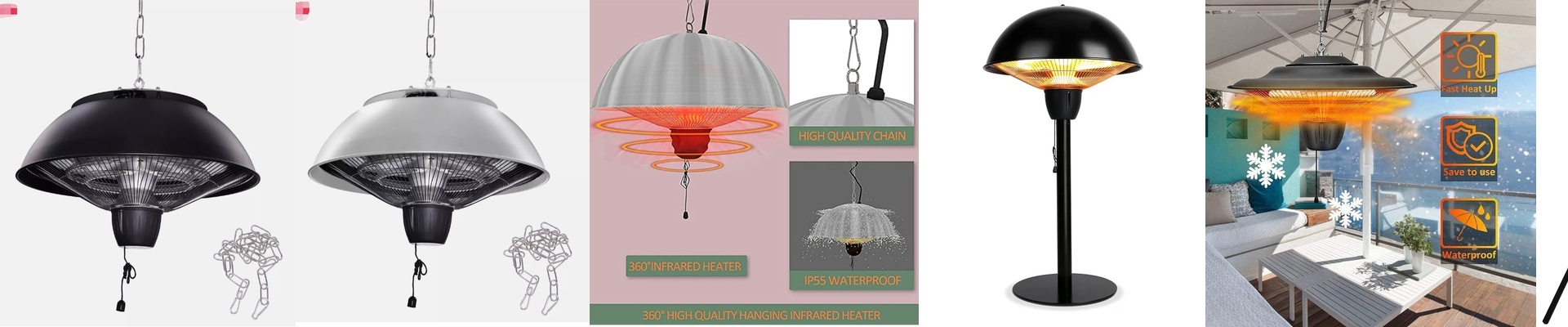



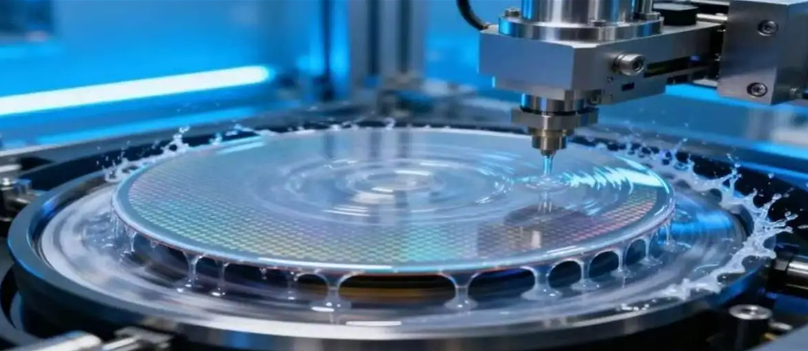
Back on the line, a wet MEMS wafer comes out of cleaning and sits waiting. The next stop—photoresist coat, soft bake, and a clean dry—has zero tolerance for thermal drift. Hit the surface with a 1°C hot spot and linewidth control turns into a crapshoot. We built this MEMS wafer drying heater to pull that uncertainty out before it even gets into the lithography stack. What matters under the hood We set the design around ±0.1°C steady-state uniformity across the wafer plane. Photoresist is sensitive enough that any temperature gradient is a direct yield risk. The heating element uses short-wave infrared to dump energy in fast, contactless bursts, so thermal lag and cold-start swing stay low. Quartz and cleanroom-compatible materials keep particle generation near zero, which plays clean in Class 1–100 environments. Repeatability is nailed down so the same thermal budget holds, cycle after cycle—no bake-profile drift between lots. Why this lands in MEMS In MEMS, wafer drying isn’t a passive checkpoint—it sets up the whole front end: adhesion, exposure latitude, and etch selectivity. With stable, uniform heat, you cut photoresist rework, reduce scrap from bake-induced defects, and shorten changeover because you stop chasing profile tweaks. You also save energy, since the system hits setpoint fast and holds it without overshoot. Reliability is tuned for 24/7 fab cadence, so it keeps running without unplanned downtime. What you need to plan for The heater drops into standard track footprints, but alignment to the wafer path and coolant flow has to match the machine tolerances. Expect a short commissioning window to lock in airflow, exhaust, and temperature setpoints to match your exact photoresist bake curve. Once it’s calibrated, the process stays locked—no drift chasing between wafers.
라인으로 돌아가면 습식 MEMS 웨이퍼가 세정 후 대기 상태에 들어간다. 다음 단계인 포토레지스트 도포, 소프트 베이크, 깨끗한 건조 공정은 열 편차에 대해 무관용이다. 표면에 1°C의 열점이 발생하면 라인폭 제어가 불확실해진다. 이 불확실성을 제거하기 위해 리소그래피 스택에 들어가기 전에 사용하는 MEMS 웨이퍼 건조 히터를 설계했다.
내부에서 중요한 사항
설계 기준은 웨이퍼 평면 전체에서 ±0.1°C의 정상 상태 균일도를 유지하는 데 맞추었다. 포토레지스트는 온도 구배에 매우 민감하여 모든 온도 차이는 직접적인 수율 위험 요인이다. 가열 소자는 단파 적외선을 사용해 에너지를 빠르고 비접촉으로 전달하므로 열 지연과 냉시작 변동이 낮다. 쿼츠 및 클린룸 대응 재료를 사용해 입자 발생을 거의 0에 가깝게 유지하며, Class 1–100 환경에서 적합하다. 반복성도 확보되어 동일한 온도 프로파일을 사이클마다 유지하며, 배치 간 베이크 프로파일 변화가 없다.
왜 MEMS에 적용되는가
MEMS에서는 웨이퍼 건조가 수동 검사가 아니라 전면 공정의 접착, 노출 허용 범위, 식각 선택성 등 전체 조건을 설정하는 핵심 단계다. 안정적이고 균일한 열 공급으로 포토레지스트 재작업을 줄이고, 베이크 유발 결함으로 인한 스크랩 감소, 프로파일 조정 추적 중단으로 전환 시간을 단축할 수 있다. 또한 시스템은 설정 온도에 빠르게 도달하고 유지하며 오버슈트가 없어 에너지도 절감된다. 신뢰성은 24/7 생산 속도에 맞춰 최적화되어 예기치 않은 다운타임 없이 지속 운전이 가능하다.
사전에 준비해야 할 사항
히터는 표준 트랙 풋프린트에 설치되나 웨이퍼 경로 및 쿨런트 흐름 정렬은 기계 허용오차와 일치해야 한다. 공기 흐름, 배기, 온도 설정값이 포토레지스트 베이크 곡선에 정확히 맞도록 짧은 시운전 기간을 예상해야 한다. 한 번 교정되면 공정은 고정되어 웨이퍼 간 온도 변동 추적이 필요 없다.