

Why Silent Infrared Heaters Are the Real Deal for Winter Sleep
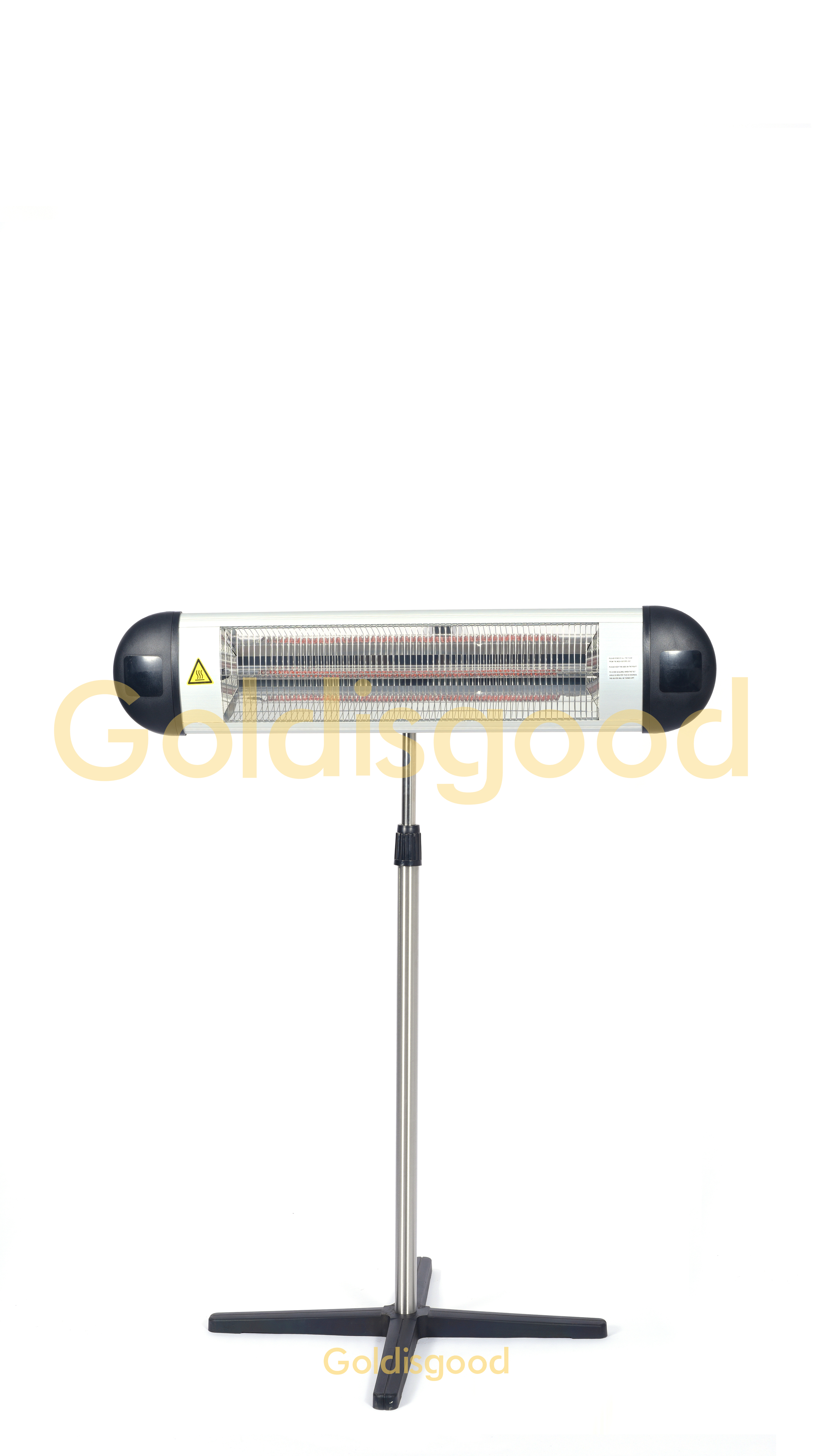
We build electric space heaters with one simple, stubborn goal: give you warmth without the noise. Because when it comes to your bedroom in winter, silence isn’t a luxury. It’s the whole point. Infrared heaters pull this off by delivering heat directly—radiant warmth that doesn’t rely on fans, compressors, or churning air. No whirring. No cycling on and off. Just steady, quiet comfort.
Power in a small package
Here’s the thing: infrared elements are built to be compact while still packing a punch. A typical halogen infrared tube runs at 2500W, on a standard 230V or 400V supply depending on the setup. And the tube itself stays short—often around 300mm—so it fits into tight spaces without forcing you to redesign the whole enclosure. That’s the beauty of it: a lot of heat from a small footprint. But with high wattage in a small form, you do get concentrated warmth. So the surrounding materials and housing need to be ready for the extra heat. If you’re wiring this into an existing panel, just make sure the circuit protection and wire gauge are matched to the continuous load.
Built to take the heat
The heating element itself is a halogen-filled quartz tube. Quartz handles high temperatures without softening, and the halogen gas keeps the element stable over time—less blackening, more consistent output. The tube surface is often coated to fine-tune how it emits heat and to stand up to the environment. And for installation, we use an R7s connector. It’s a solid, proven standard that gives you a secure, low-resistance connection. No custom terminals. No head-scratching. Just a straightforward, drop-in replacement when it’s time.
Warmth that doesn’t interrupt your night
In a bedroom, the difference is real. No fan noise. No compressor cycling. No air moving around and kicking up dust. You get focused warmth that goes straight to the people and surfaces that need it. If you’re specifying equipment, that means predictable heat performance—without adding acoustic noise into the mix. And the R7s interface keeps maintenance simple, while the rugged quartz build can handle real-world conditions. Just keep the tube clear of obstructions so it doesn’t overheat in one spot, and make sure your mounting materials can handle the sustained heat. Because the best heat is the kind you feel—without even noticing it’s there.