How to Actually Keep Your Patio Warm in Winter
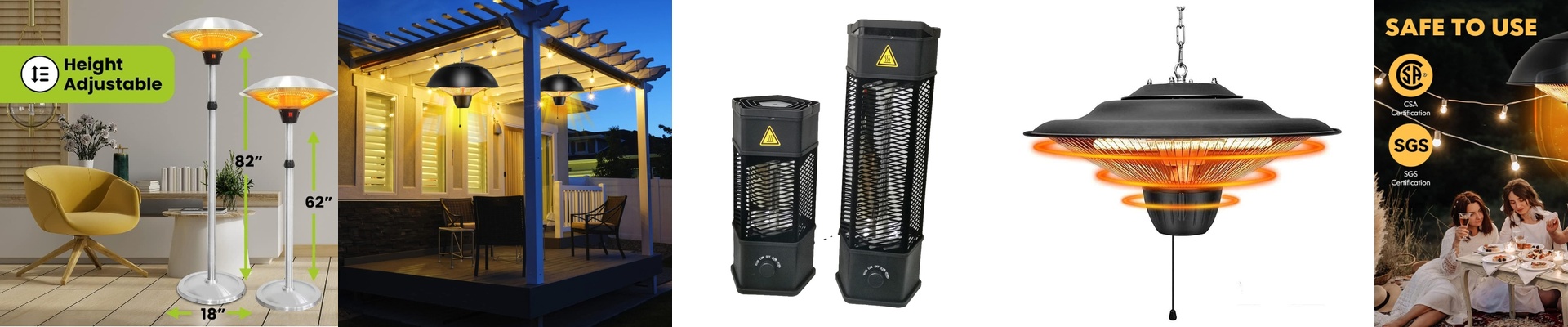
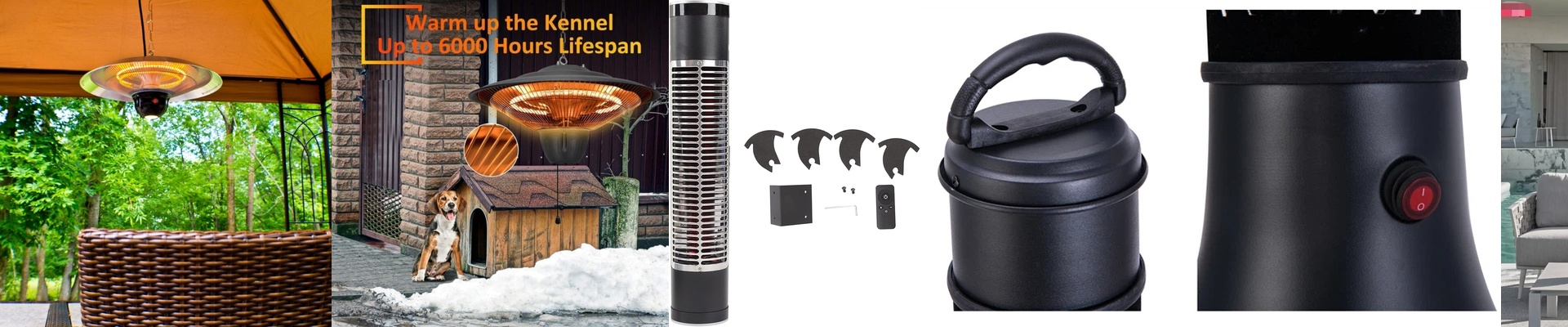
Let’s be honest: most outdoor heaters are a waste of money. You’ve seen it. You turn on those convection heaters, the warm air immediately floats up into the sky, and your guests are still shivering in their coats. It’s frustrating, and it’s costing you money. If you want people to actually stay in their seats, you have to stop trying to heat the air. You can’t win that fight. Instead, you need radiant heat. Think of it like the sun. Even on a freezing day, if you stand in a patch of sunlight, you feel that warmth hitting your skin. That’s exactly how high-ceiling infrared heaters work. They skip the air entirely and go straight for the people and the furniture.
Getting the Height Right
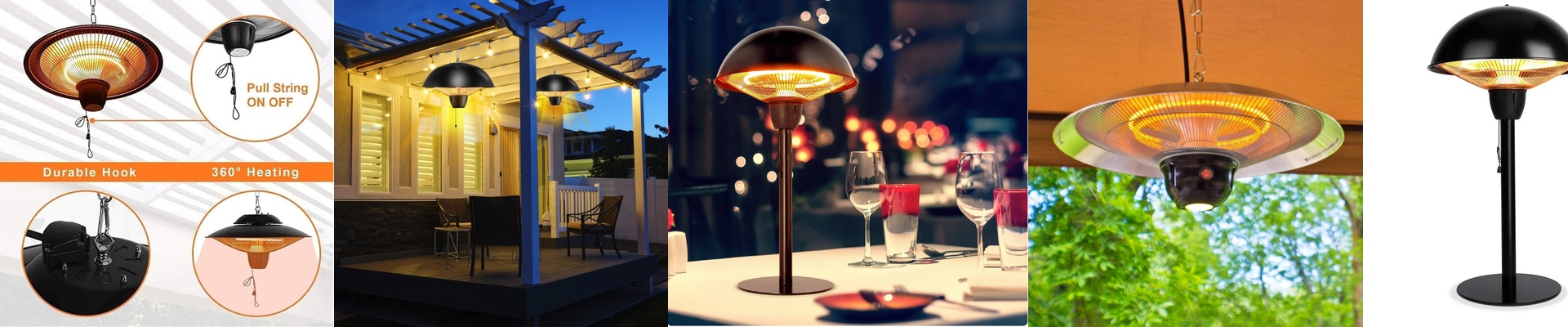
Here is the tricky part. When you mount a heater 4 to 6 meters up, you’re fighting physics. The higher the heater, the more the heat spreads out and weakens before it reaches the table. To fix this, we use shortwave IR emitters. They’re powerful. They punch through the cold and the wind without losing steam. But you can’t go cheap on the wattage here. If the power is too low, the heat just vanishes before it hits the guest’s shoulders. You want a concentrated beam. It keeps the equipment small and out of the way, but ensures the people below actually feel the warmth.
The Real-World Stuff
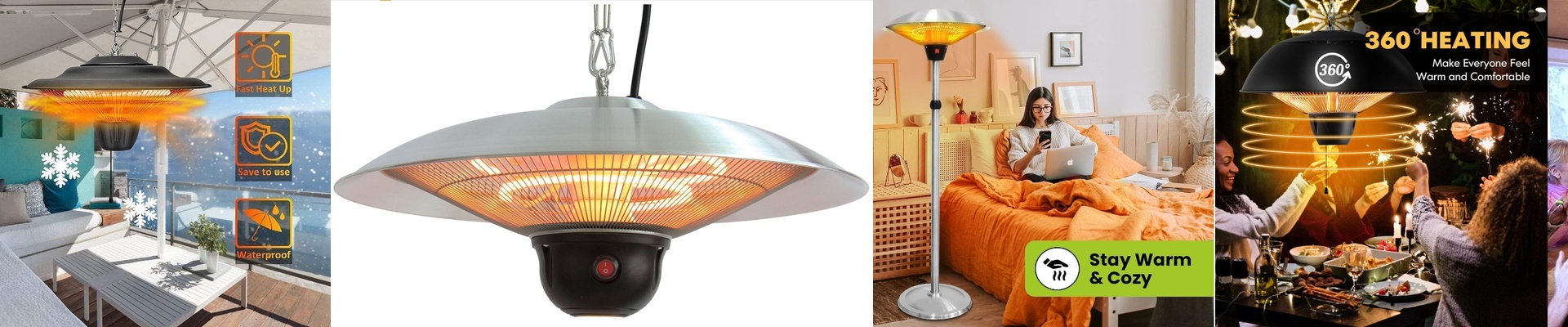
When your guests are comfortable, they stay. They order another round of drinks. They order dessert. Suddenly, your patio isn’t just a summer perk—it’s making money all year. But a word of warning:don’t mess around with the wiring. These high-wattage arrays pull a lot of power. If your electrical panel isn’t ready for it, you’re going to trip a breaker right in the middle of the Friday night dinner rush. Not a great look. Also, be careful with where you hang them. Shortwave IR is intense. If you mount them too low, your guests will feel like their heads are being toasted while their toes are still freezing. It takes a bit of calibration to get that “thermal blanket” feel where the heat is even. One last tip? Don’t just leave everything running. That’s a great way to let your electricity bill eat your profits. Set up zones. Use sensors or timers so the heat only kicks in when a table is actually occupied. Simple, smart, and keeps the money in your pocket.