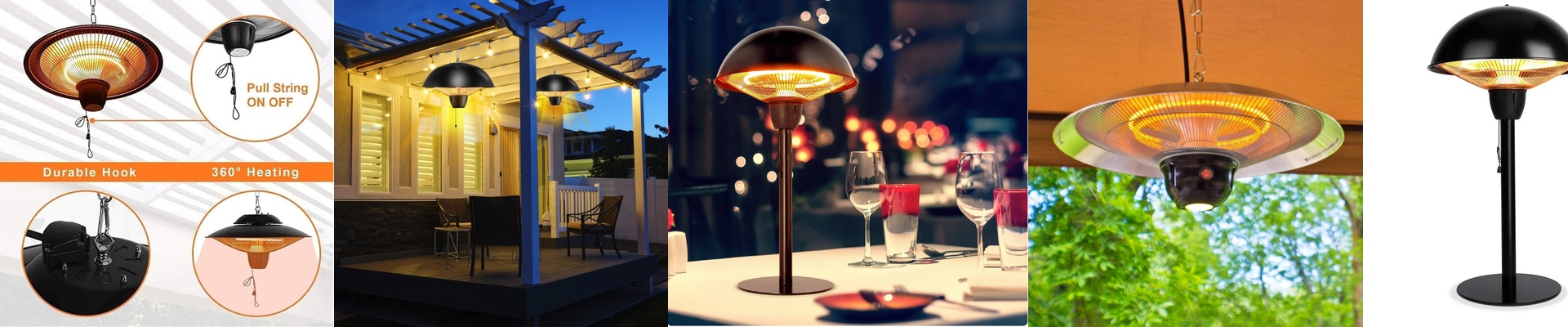

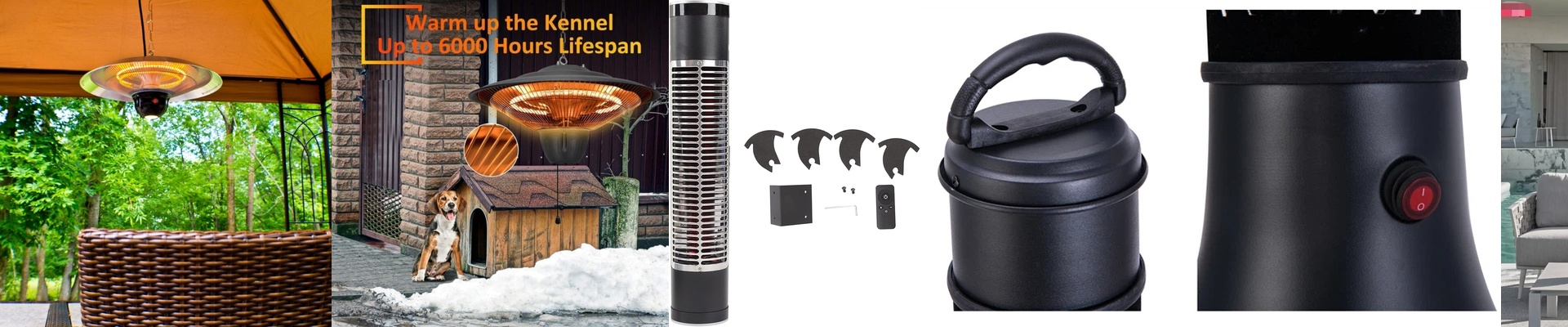
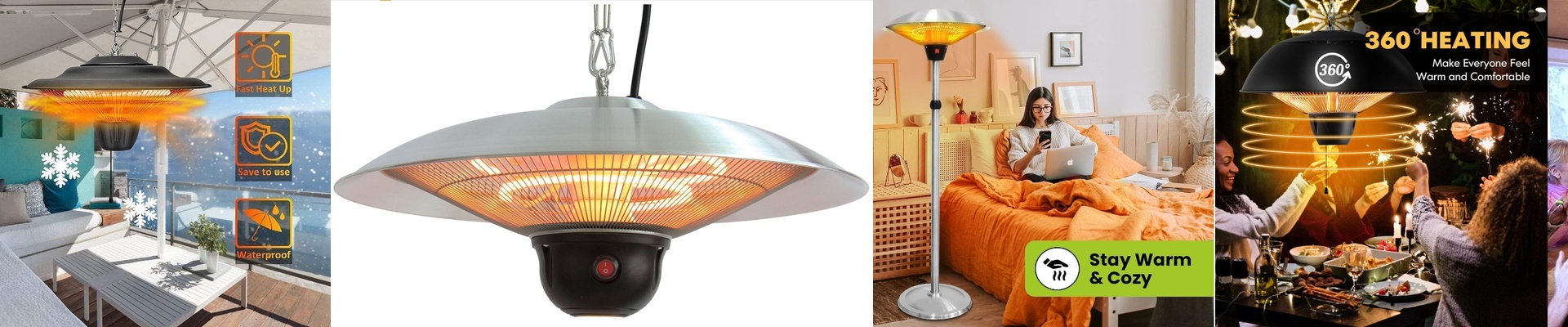
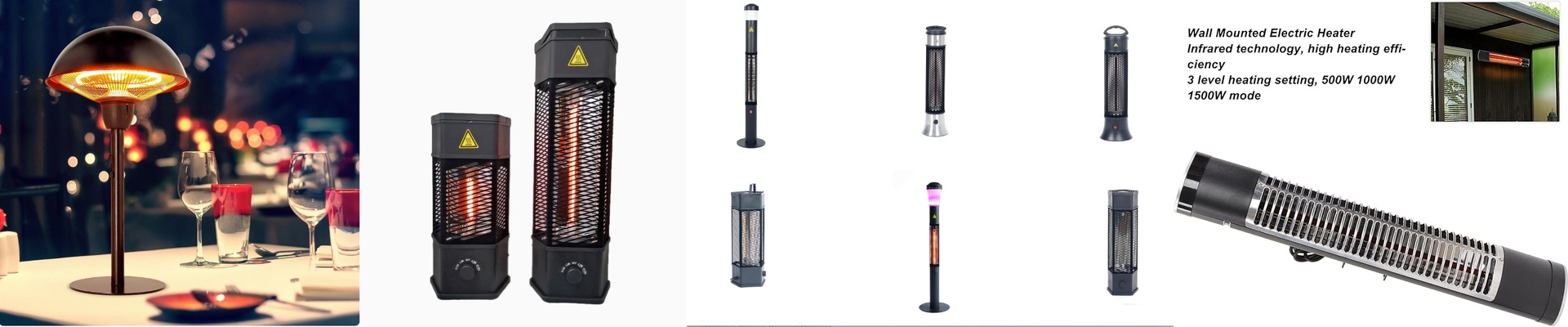
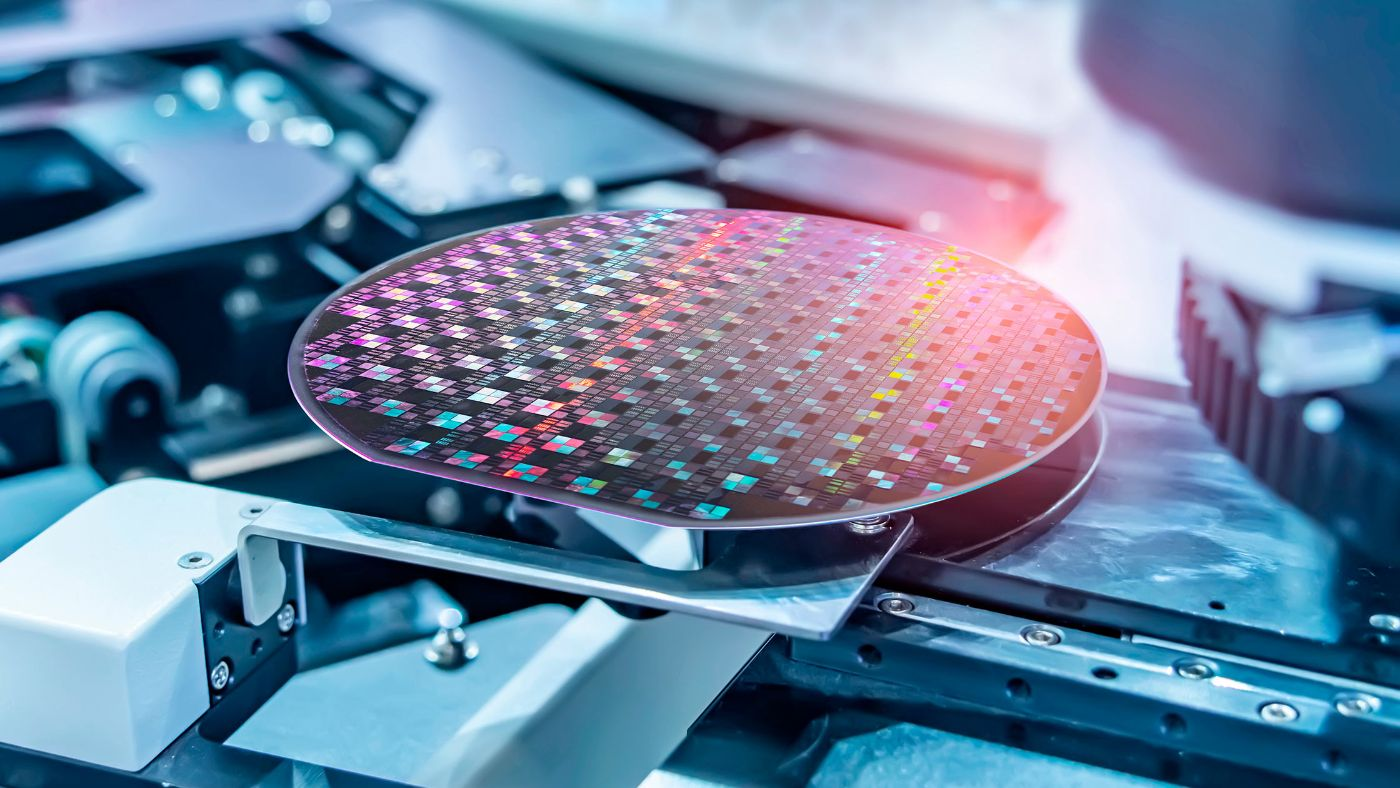
On the lithography floor, the laminating heater isn’t just adding heat. It’s setting the thermal budget for the entire photoresist profile. Catch a 0.5°C drift during soft bake and you’re playing with viscosity, edge bead, and your critical dimension control. When the line is calling for ≤±0.1°C uniformity across the substrate, that dry film resist laminating heater isn’t an accessory—it’s the anchor point for the process. What we built around it is straightforward. We use a cleanroom-compatible, short-wave infrared (NIR) heating architecture with a quartz-encapsulated emitter array. That gives you rapid thermal response without any particulate shedding. The temperature controller closes the loop at the wafer plane, not the heater block, and holds steady-state uniformity to ±0.1°C across the active area. Stainless-steel chamber surfaces and a HEPA-integrated exhaust path keep particle counts in check in Class 1–100 environments. Repeatability comes from a fixed thermal profile you can lock down, save, and recall per batch. Here’s why it holds up in real dry film resist laminating: you need consistent adhesion and controlled flow, without outgassing or resist degradation. The heater hits setpoint fast, cuts thermal lag between wafers, and keeps soft bake and post-lam bake stable. The payoff is better exposure latitude and fewer reworks. In practice, that means higher throughput with fewer excursions, lower energy per wafer, and thermal behavior you can count on shift after shift. A few practical notes. The unit integrates into most laminating tracks, but you have to match the footprint and exhaust routing to your tool layout. Expect a short commissioning period to dial the thermal profile to your resist stack and substrate stack-up. And watch the temperature ceiling. Running too close to the resist’s upper limit shrinks your process window—keep at least 10°C below the degradation threshold to preserve margin.