Why You Should Ditch Those Old Bathroom Heat Lamps for Infrared
Ever notice how those old-school halogen heat lamps always seem to die right when you need them? It’s not a coincidence. Bathrooms are brutal on electronics. All that steam and humidity creeps into the housing, eats away at the contacts, and—pop—you’ve got a short circuit. That’s why more people are moving toward waterproof infrared heaters. They actually hold up in the steam.
The “Instant Warmth” Secret
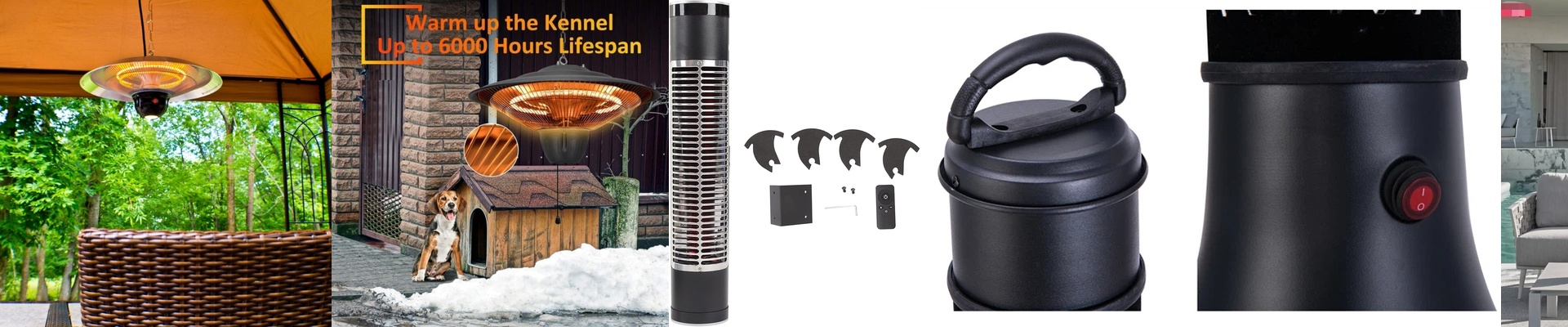
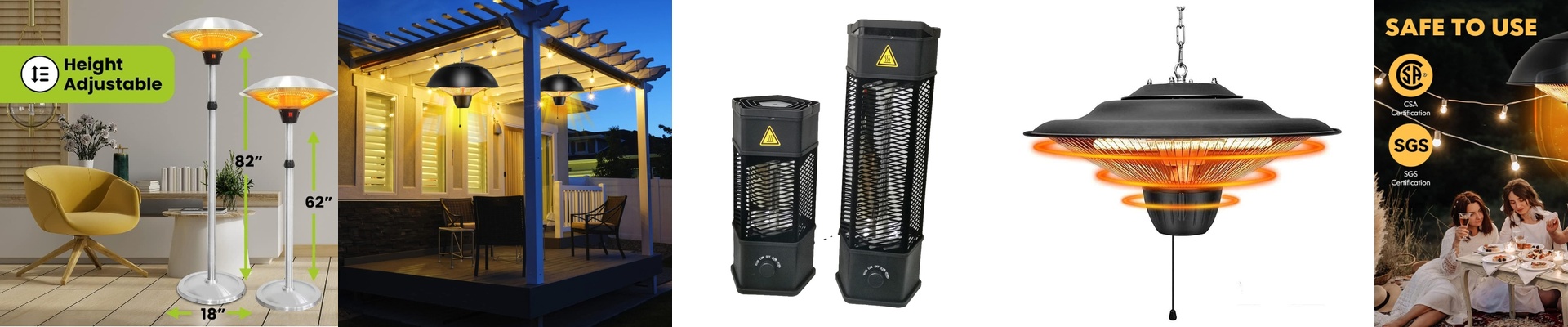
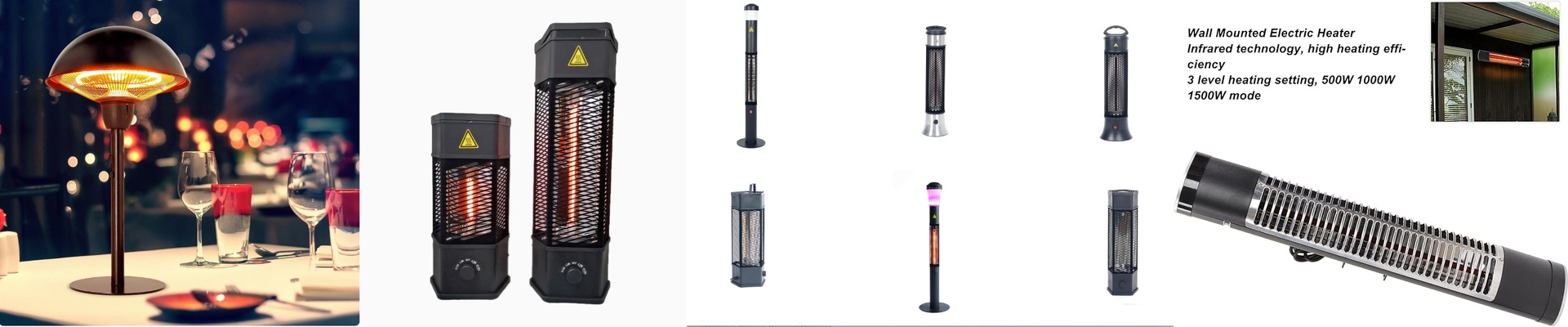
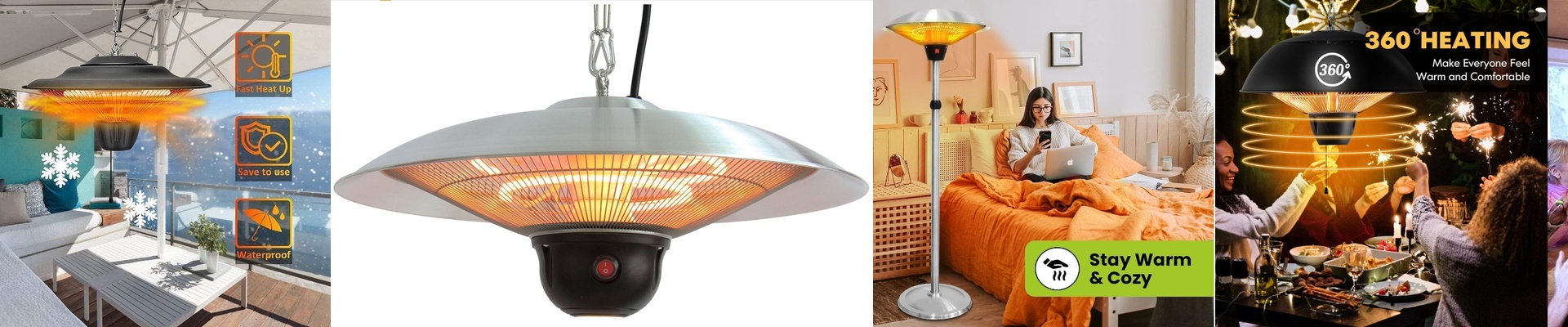
Here is the thing about traditional heaters: they try to warm up the air. But in a bathroom, the air just disappears through the vent or under the door. You’re basically heating the outdoors. Infrared is different. Instead of fighting the air, it sends out waves that hit your skin and the walls directly. It feels like stepping into a patch of sunlight on a cold day. You don’t have to stand around shivering while the room slowly warms up. You turn it on, and you feel it. Immediately. Plus, it’s way easier on your electric bill.
Keeping the Water Out
Standard heaters just aren’t built for a shower’s worth of steam. To stop them from frying, these infrared units use sealed housings with IPX4 ratings (or better). Think of it like a raincoat for your heater. They use silicone gaskets and special coatings to keep the moisture away from the “guts” of the machine. Without that protection, the internal wiring and quartz glass just can’t handle the constant dampness. They’ll burn out way too fast.
A Few Things to Keep in Mind
Now, you can’t just plug these into any old outlet and call it a day. Because they pack a punch, they usually need their own dedicated circuit. If you try to run a high-wattage infrared array on a shared outlet, you’re probably going to trip your breaker. Definitely check your wiring first. And a heads-up on how they feel: infrared is directional. It’s like a flashlight, but with heat. If you aren’t standing in the beam, you aren’t getting the warmth. The trick is all in the placement. Don’t just slap it on the ceiling anywhere. Put it exactly where you actually stand—right over the vanity or the shower footprint. If you get the positioning right, you’ll never have to deal with those annoying cold spots again.