

Stop Fighting Bathroom Mold: The Secret is Infrared
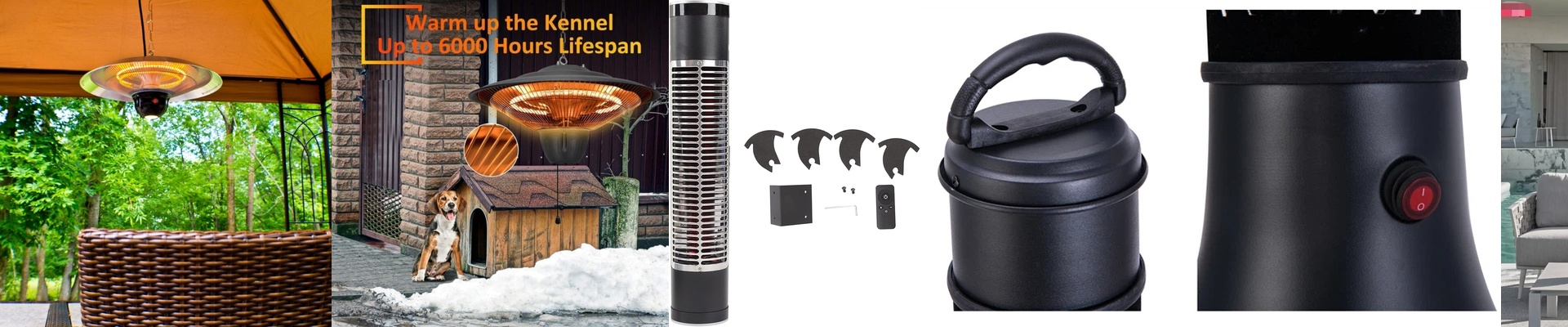
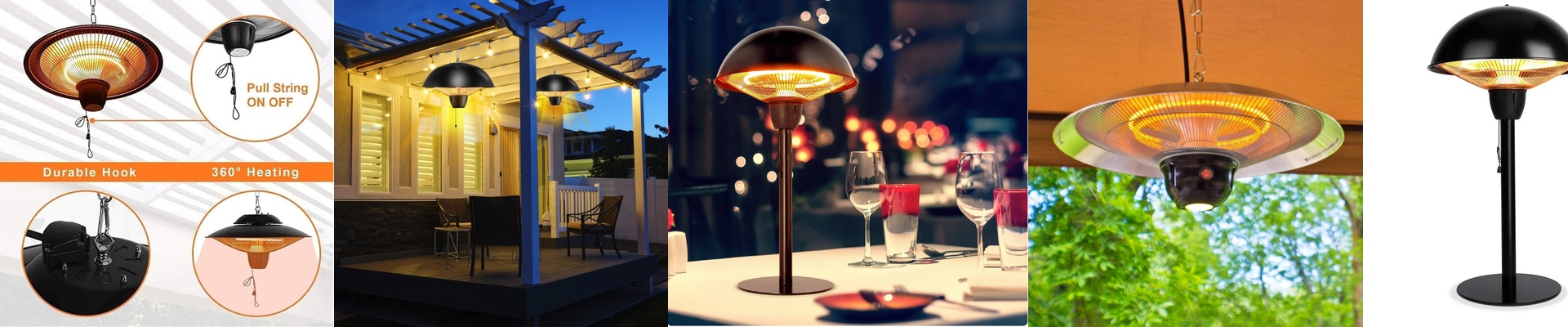
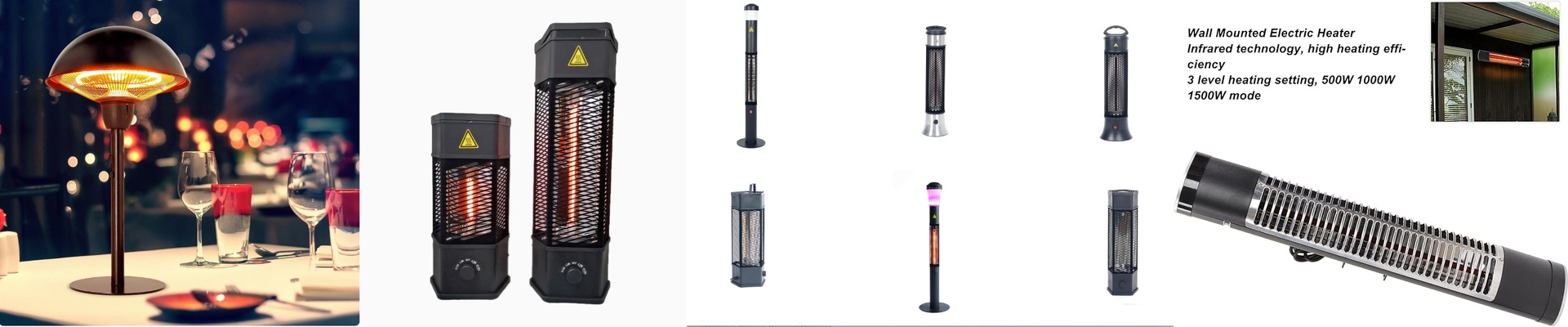
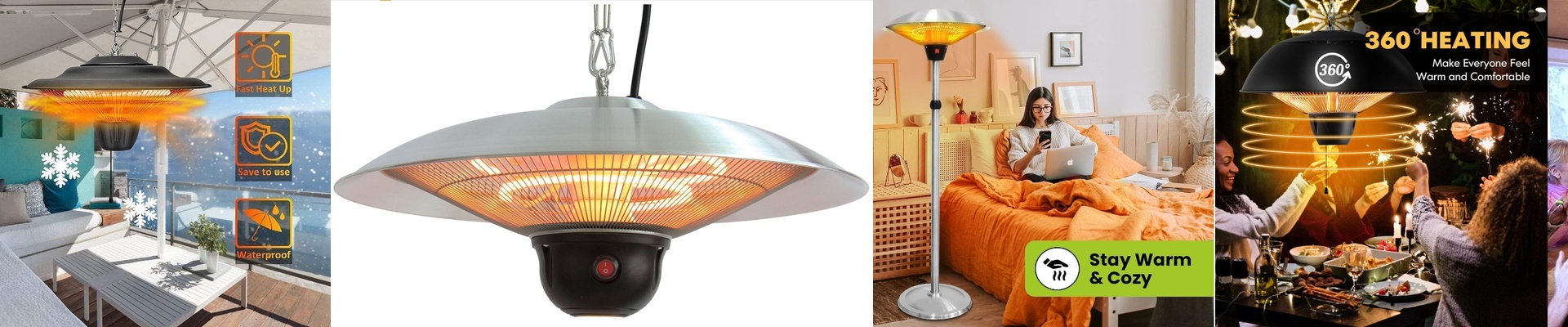
Most people look at an IP65 bathroom heater and just see a way to stop shivering when they step out of the shower. But if you look closer, these things are actually a secret weapon against that annoying black mold that loves to grow in the corners of your ceiling.
Why your regular heater isn’t cutting it
Here is the thing about standard heaters: they just warm up the air. The problem? Your tiles are still freezing. When that warm, steamy air hits a cold wall, it turns back into water. That’s condensation. And condensation is basically an open invitation for mold to move in and set up shop. That’s where infrared (specifically short-wave IR) comes in. Instead of messing with the air, infrared goes straight for the surfaces. It hits your walls and ceiling directly, warming them up so the water never has a chance to settle. If the wall stays warm, the water can’t condense. And if there’s no liquid water, the mold spores can’t grow. It’s way better to stop the moisture before it happens than to spend your weekend scrubbing grout with a toothbrush.
The “Waterproof” Part (IP65)
Since we’re talking about a room full of steam and splashing water, you can’t just put any heater in there. That’s why the IP65 rating matters. In plain English, it means the unit is sealed tight against dust and can handle a spray of water without blowing a fuse. The heating elements are tucked away inside high-grade quartz glass. This lets the heat beam right through while keeping the electrics safe and dry. One quick heads-up, though: these things pack a punch. They use a lot of power to get that instant heat. Just make sure your bathroom’s wiring can handle it, or you’ll be spending your morning resetting the circuit breaker in the garage.
The Trade-off
Now, there is a catch. Short-wave IR is incredibly fast. You flip the switch, and you feel the heat instantly. It’s amazing for drying out a room quickly. But the second you turn it off, the heat vanishes. There’s no “lingering warmth” like you get with a heavy radiator. You’re basically trading that long-term coziness for a dry, healthy bathroom that doesn’t smell like mildew. Personally? I’ll take the dry walls any day.