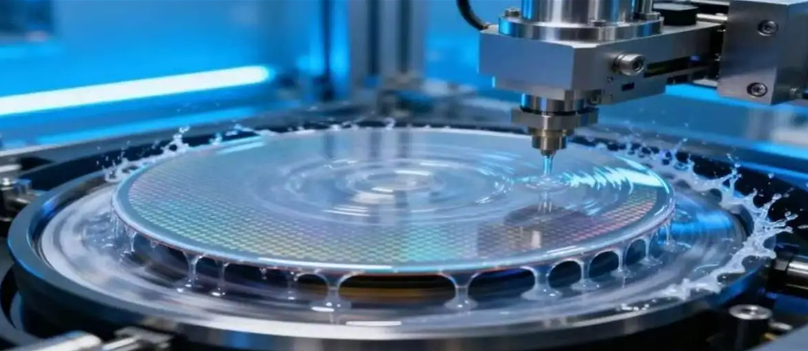
Making hydrogen sensors is a game of precision. If your heat isn’t exactly where it needs to be, the chemical deposition fails and the whole sensor element is junk. We build our heaters to handle those tight tolerances, but honestly? The heat is the easy part. The real headache is the electrical safety. The “Zero-Mistake” Testing We don’t do “batch sampling.” That’s a gamble we aren’t willing to take. Instead, every single lamp tube that leaves our shop goes through a full voltage withstand and insulation resistance test. Why? Because a tiny pinhole or a microscopic crack in the quartz can cause an arc-over. In a high-voltage setup, that doesn’t just trip a breaker. It can fry your control boards or mess up your entire cleanroom environment. We push the dielectric strength way past what you’ll actually use in production. We do this because materials shift when they get hot. If the insulation is just “okay” at room temperature, it’s going to fail the second it hits operating temp. The Trade-off Here is the honest truth: this level of safety comes with a catch. To get this kind of electrical protection, we use specific quartz grades and sealing methods that make the tubes a bit more fragile. You can’t just toss these into a machine. They need to be mounted carefully. If you create stress points during installation, you risk compromising that electrical barrier. What this means for your floor When you get a replacement tube from us, it just works. You won’t be spending your morning chasing down why a ground-fault circuit interrupter keeps tripping. By catching every flaw at the factory, we kill off that “infant mortality” phase where parts fail in the first few hours of use. You get a stable electrical footprint, which is the only way to keep those temperature profiles steady enough to actually make a working sensor.