Stop Wasting Your Heat on the Tool Walls
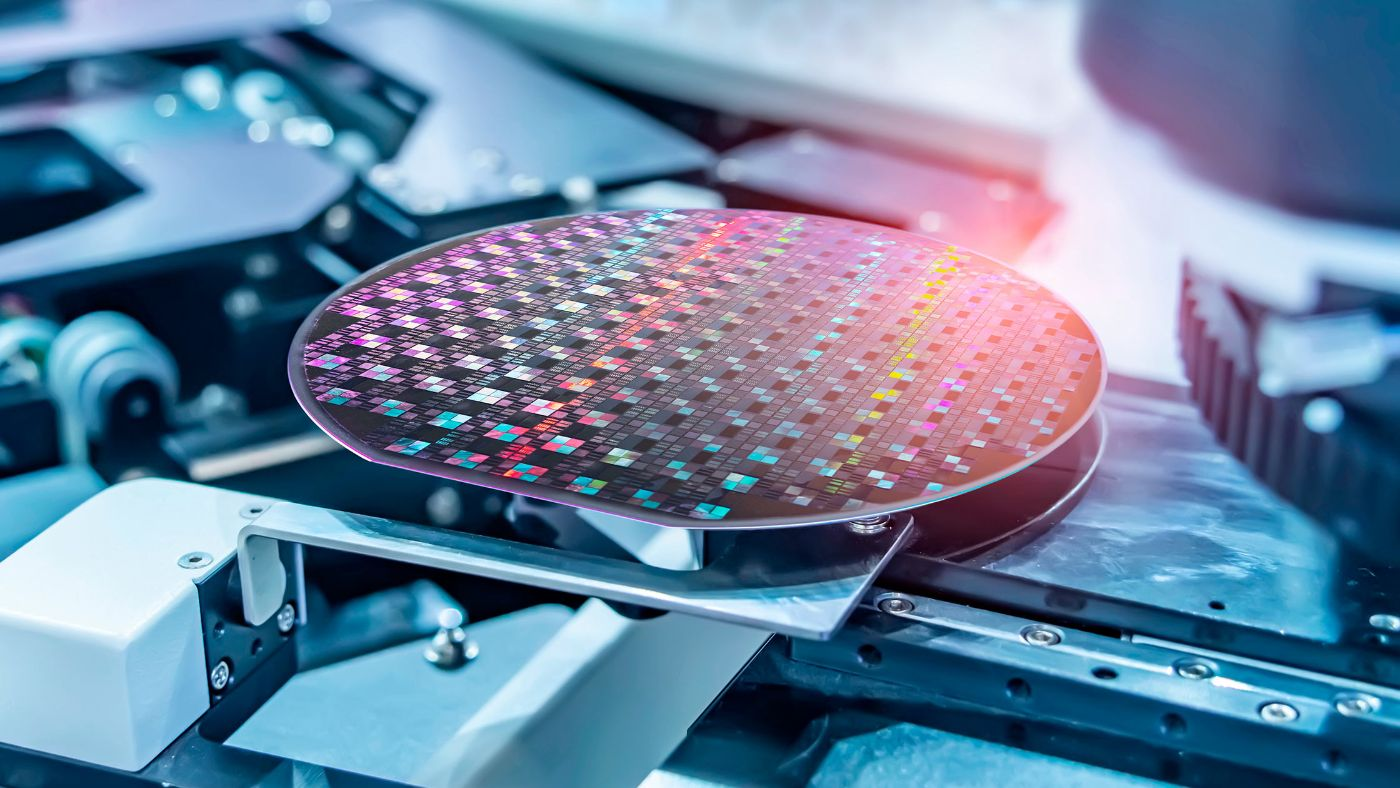
Heating a silicon wafer takes a ton of energy. The problem? Most standard IR setups just blast that heat everywhere. A huge chunk of your energy ends up hitting the inner walls of the tool instead of the wafer. Basically, your equipment chassis becomes a giant heat sink. It makes the outer casing hot enough to burn you and forces your cooling systems to work way harder than they should. It’s just… wasteful.
How we actually fix the leak
We handle this by getting specific with where the heat goes. Instead of a lamp that glows in every direction, we use filtered emitters and reflectors to aim the IR beam right at the wafer. Think of it like switching from a bare lightbulb to a flashlight. By narrowing that angle, we keep the energy on a tight path. The heat goes where it’s needed, and it stops bleeding into the chamber walls.
Better for the people running the machines
When the walls aren’t soaking up all that excess heat, things get a lot safer for your team. You don’t have to worry about those random “hot spots” on the outside of the tool that can surprise a technician during a maintenance check. We aren’t just slapping some insulation on the walls to hide the problem. We’re making sure the heat never hits the wall in the first place.
The trade-offs (because nothing is magic)
Now, there is a catch. Because the heat is so concentrated, the flux on the wafer is much higher. You’ll see your ramp-up times drop—which is great—but it puts a bit more pressure on your temperature controllers. If your PID tuning is a little lazy, you might overshoot your target temperature. You’ll also want to double-check that your IR sensors are calibrated for the specific wavelength of the lamp, or your readings will be off. The good news? These are designed to be drop-in replacements. You just wire them into your existing power supply and you’re good to go. You’ll notice the difference immediately: the wafer hits spec faster, and the chamber walls actually stay cool.