

Keeping Your Class 100 Cleanroom Actually Clean
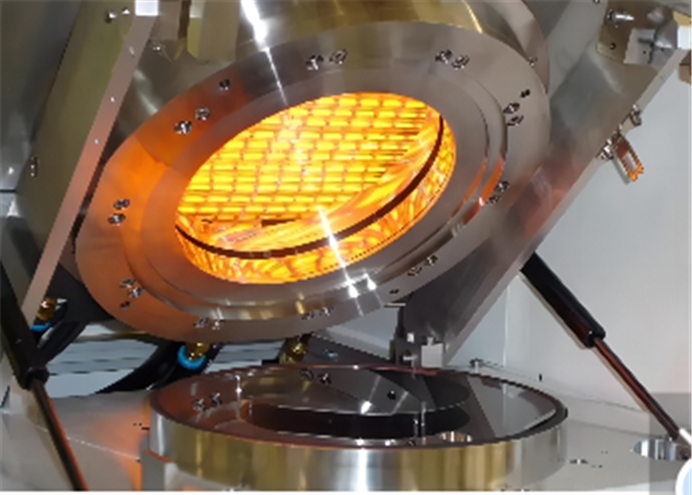
If you’re running a Class 100 cleanroom, you already know the nightmare of contamination. One tiny flake of glass or a bit of outgassing from a heating element, and your whole batch is toast. Most standard infrared lamps are a liability. They use cheap adhesives or low-grade glass that starts flaking or releasing volatiles the second they get hot. That’s a huge risk when you’re dealing with semiconductor work or smart sensor packaging. That’s why we stick with high-purity synthetic quartz. Why quartz matters Here’s the thing: standard glass isn’t stable. Under high thermal stress, impurities can actually migrate. We use fused silica quartz because it’s processed to strip out metallic ions. This means no weird chemical reactions with your substrate. We also rely on shortwave infrared radiation. Instead of blowing hot air around—which basically just pushes dust across your workspace—the energy goes straight into the packaging materials. It’s cleaner. Much cleaner. The balancing act To keep these lamps compact but steady, we use a tungsten filament tucked inside a halogen gas mix. It stops the filament from evaporating too fast, so the lamp actually lasts. But you have to be careful with your power. High-density lamps hit your target temperature in seconds, which is great. But they also hammer your HVAC system. If you crank the wattage without a solid heat sink, you’re going to deal with thermal drift in your sensors. It’s a trade-off you have to manage. Getting it running We designed these to be simple drop-in replacements for your current IR arrays. The ends are precision-ground, so they seal tight against the housing. No leaks, no contaminants getting into the heating zone. One quick tip: when you’re wiring them up, double-check your controllers. They need to handle that initial cold-start current spike, or you’ll blow the filament before you even get started.