
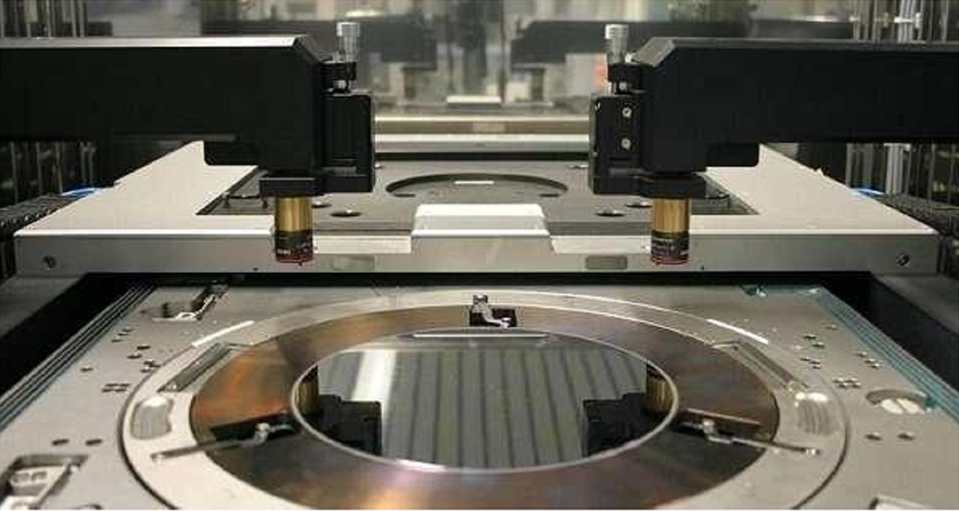
Out on the lithography floor, that safety distance around wafer heating isn’t a comfort zone. It’s a hard process boundary. Get too close and you’re asking for thermal crosstalk, resist profile distortion, and particle excursions. Back off too far and the bake doesn’t have enough punch—CD uniformity drifts right out of spec. We built our heating platform to hold that distance exactly, so the thermal budget stays inside the photoresist window. What matters, technically We hold wafer-level thermal uniformity within ±0.1°C across the full bake cycle. Soft bake and hard bake temperatures write directly into linewidth and sidewall angle, so that tolerance isn’t optional. The system is cleanroom Class 1–100 compatible, using low-outgassing materials and a sealed thermal path. In steady state, particle generation stays at zero. It runs 24/7 with zero unplanned downtime by design: predictable ramp, stable dwell, repeatable cooldown. Every bake repeats within tight tolerance, and that consistency is what protects yield across lots. Why this plays in production In a fab, the scoreboard is cycle time and scrap. Precision bake control shortens qualification loops and cuts rework. Better uniformity means fewer edge-lot excursions. Repeatable temperature profiles stabilize CD and defect metrics. Energy use drops because the system hits setpoint fast and holds it without overshoot. The upshot: fewer parameter tweaks, more consistent photoresist behavior, and line control you can count on from coat to develop. What you need to know up front Installation has to be aligned tightly to the process chamber, with verified clearances so the safety distance stays correct under full automation. The platform works with standard interfaces, but integration has to account for exhaust, gas flow, and the thermal load on the surrounding module. Commissioning is short—just enough to tune ramp rates to match your resist stack. Once that’s set, the process stays locked.