

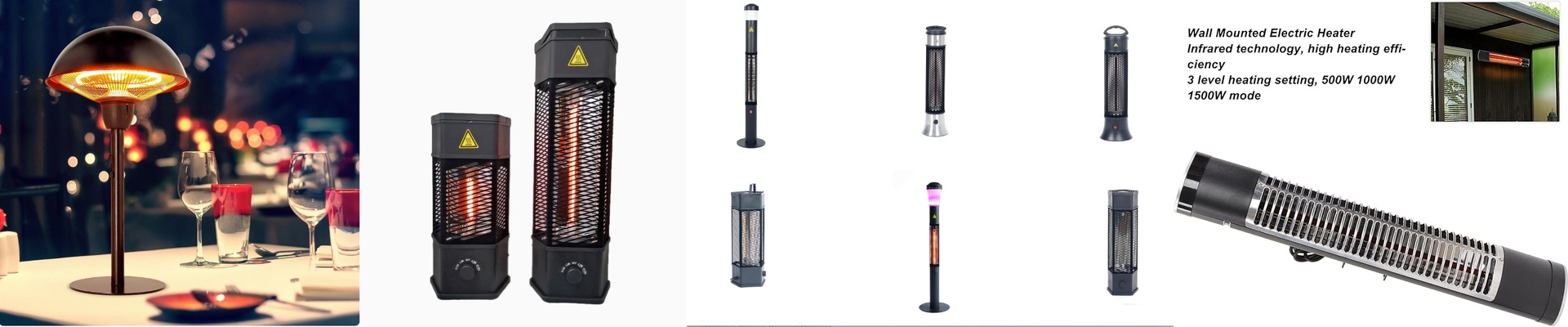


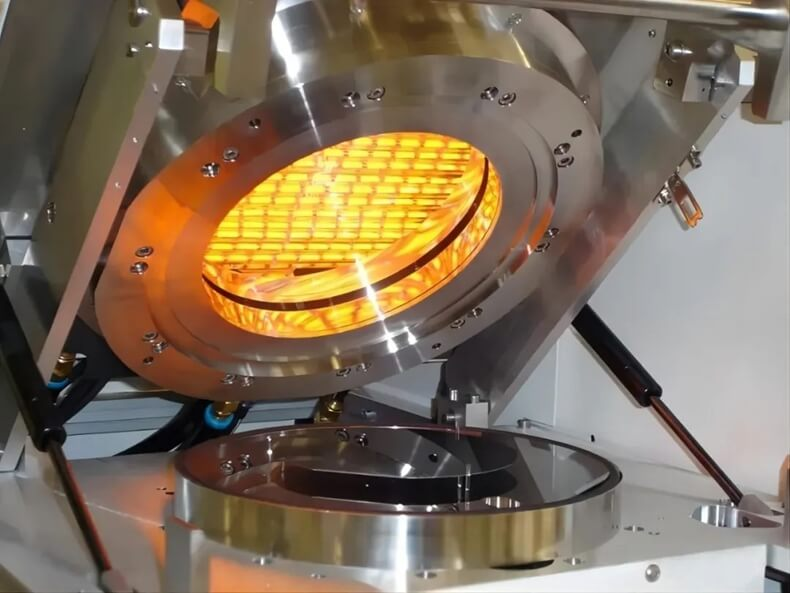
On the line, a half-degree drift during photoresist bake is enough to push critical dimensions out of spec. A sluggish ramp in wafer drying drags out cycle time and opens the door to surface contamination. That’s why we put the cleanroom trolley heater on the cart—to take the variability out of the process. What we built it around We designed the trolley heater to live inside semiconductor thermal budgets. Across the wafer tray, we hold temperature uniformity to ±0.1°C, and repeatability is anchored by a calibrated control loop that tracks setpoint with minimal overshoot. The heating element is short-wave infrared, so response is fast and energy distribution stays even. The housing is cleanroom-ready—sealed seams, no particle shedding—for Class 1–100 environments. Power, voltage, and footprint line up with standard process carts, so integration doesn’t turn into a rework project. Where it earns its keep This unit matches the thermal profiles you actually run: wafer drying, photoresist soft bake and hard bake, packaging encapsulant curing, and post-clean drying. Fast stabilization cuts oven or hotplate dwell without losing profile fidelity. Tight uniformity trims edge defects and lifts yield across lots. Energy use comes down because heat is delivered on demand, not siphoned from a big chamber. And uptime is the real scoreboard—these units run 24/7 with maintenance you can plan, not chase. Field notes that matter Placement matters. Keep airflow aligned with the tray and leave clearance for cleanroom recirculation so you don’t create local turbulence. During installation, confirm your cart rail spacing and connector type—small mismatches can still stall line changeover. The heater stays within spec at ambient 22±2°C and 45±5% RH; step outside that window and your thermal control margin gets thin.