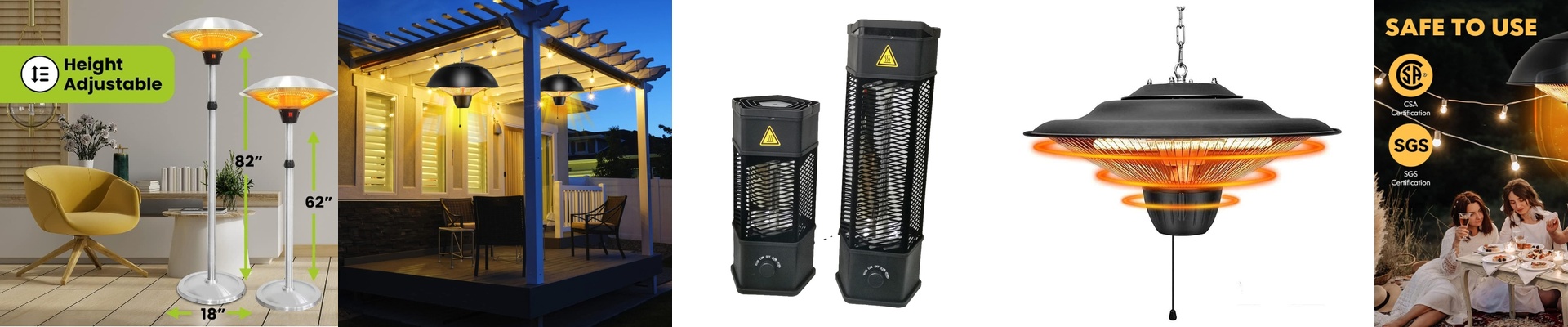
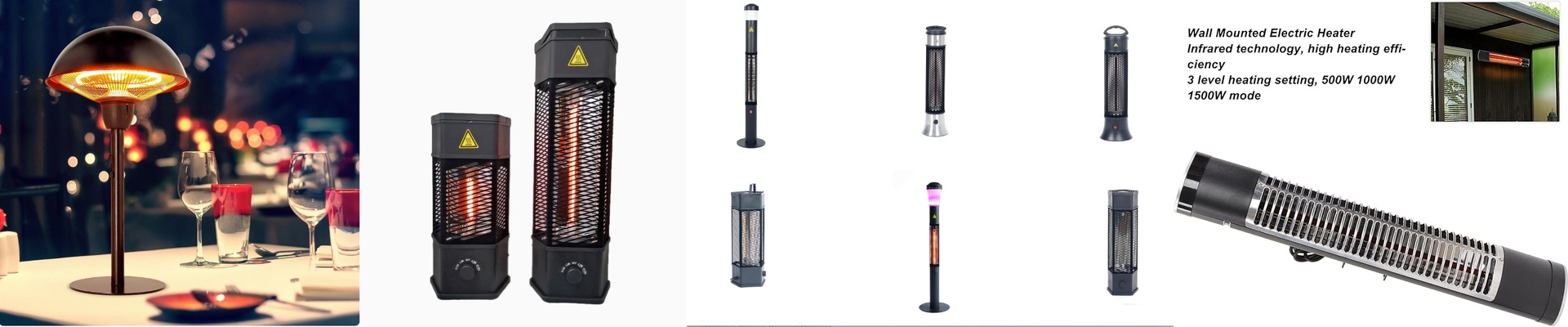
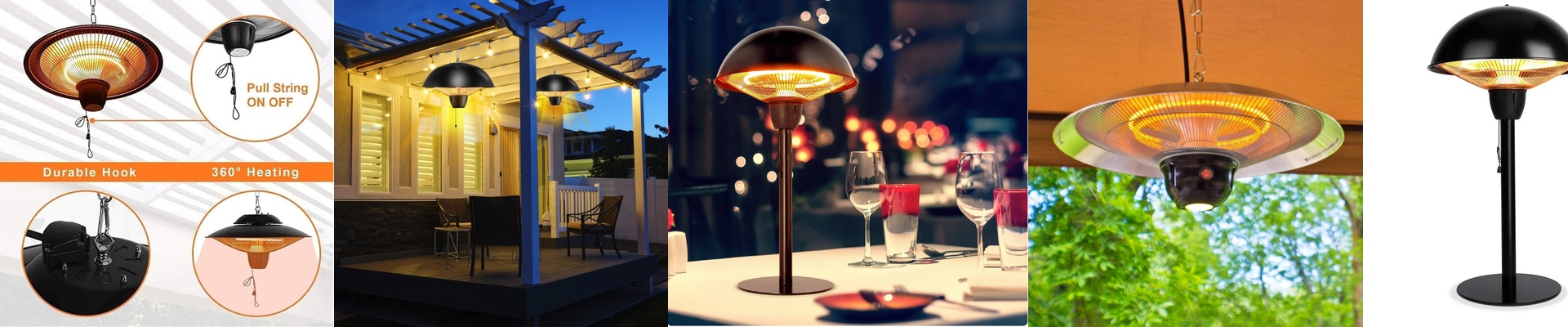
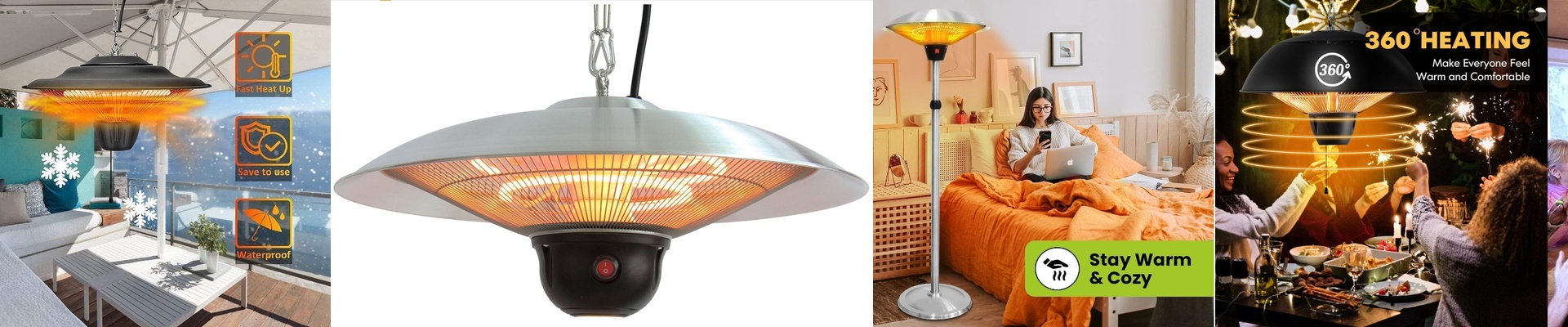
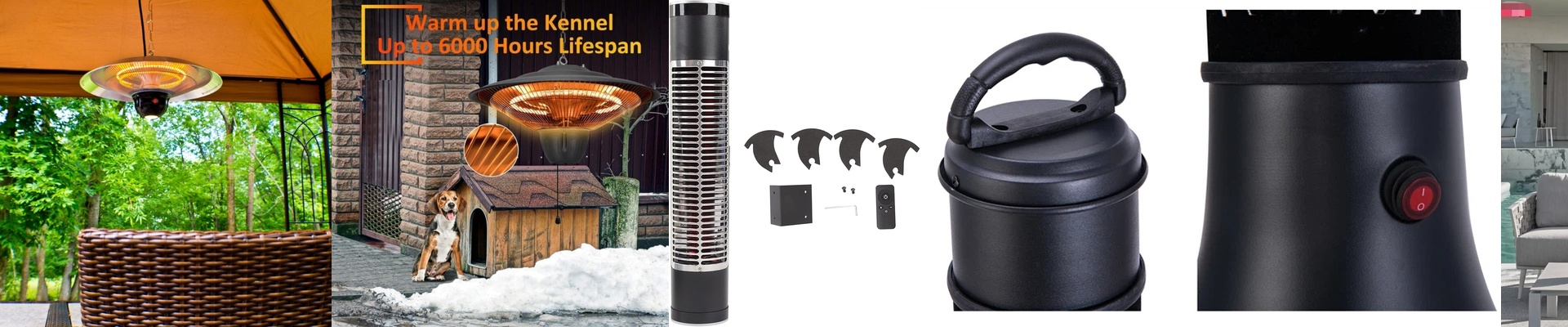
The Reality of Outdoor Infrared Heating
Let’s cut through the noise. A wall-mounted electric patio heater isn’t just some fancy bulb. It’s a tough, fixed piece of equipment that has to live outside, day in and day out. We build these things to give you steady, radiant heat. But let’s be honest—the weather is relentless. Rain, humidity, wild temperature swings… they all push the components to their absolute limit. So, before any of our quartz infrared lamps ever leave the building, we put them through a brutal hygrothermal aging test. This isn’t for show. It’s not a marketing gimmick. It’s a must-do. It’s how we make sure your heater won’t burn out prematurely, leaving you out in the cold.
The Power Behind the Heat: A Quick Look
These heaters are built for serious output, cranking out 2500W on a 400V circuit. We chose that voltage specifically to keep the current manageable on longer outdoor runs. It prevents the wiring from getting dangerously hot and stops voltage from dropping off. The tube itself is short—around 300mm. That’s intentional. It keeps the footprint small for wall mounting and focuses all that heat into a tight spot. But packing that much power into a small space creates insane heat density. The trade-off? You get intense, focused warmth, but the fixture and its mounting hardware have to be tough enough to handle the heat without breaking down.
The Heart of the Heater: Quartz and a Solid Connection
At the core of it all is a high-purity quartz envelope. Quartz handles the shock of heating up and cooling down way better than standard glass ever could. It also lets the filament get hot enough to produce that effective infrared heat. Then there’s the R7s base. It’s a standard industrial connector that gives you a solid mechanical lock and a reliable electrical connection. It’s designed to be wired up fast and stay put, even when the housing vibrates or the weather turns nasty.
Built for the Long Haul, Not Just the First Night
These heaters are made for places that need heat for hours on end—think patios, workshops, loading bays. That aging test we run? It simulates years of humid conditions to check the seals and the stability of the inside parts. And what does that mean for you? Peace of mind. You get a unit that turns on instantly, throws focused heat right where you need it, and doesn’t give up on you because moisture got inside. We do the testing up front, so you never have to deal with failures in the field.