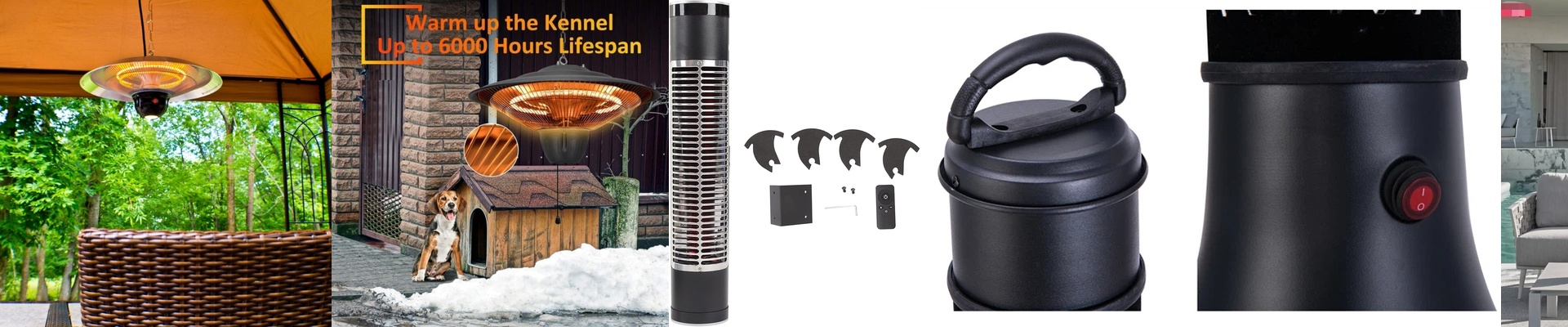
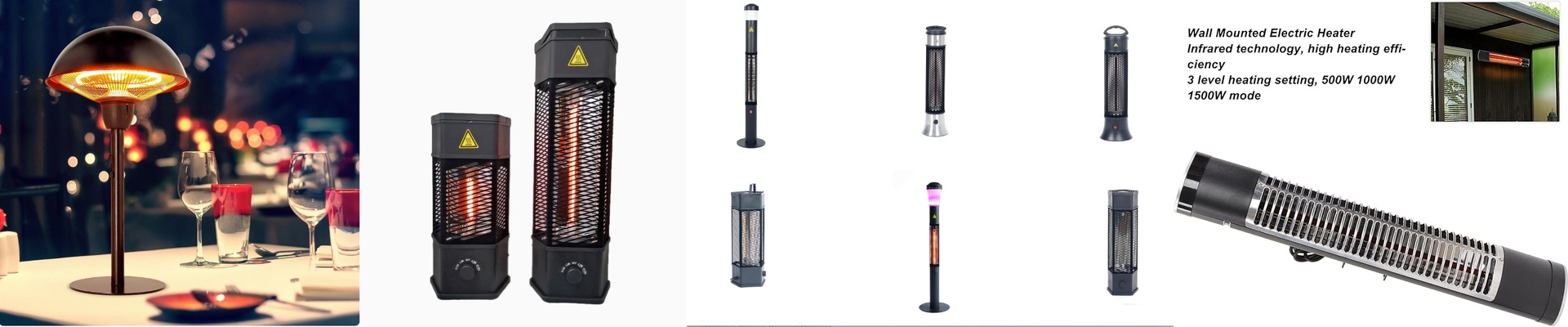


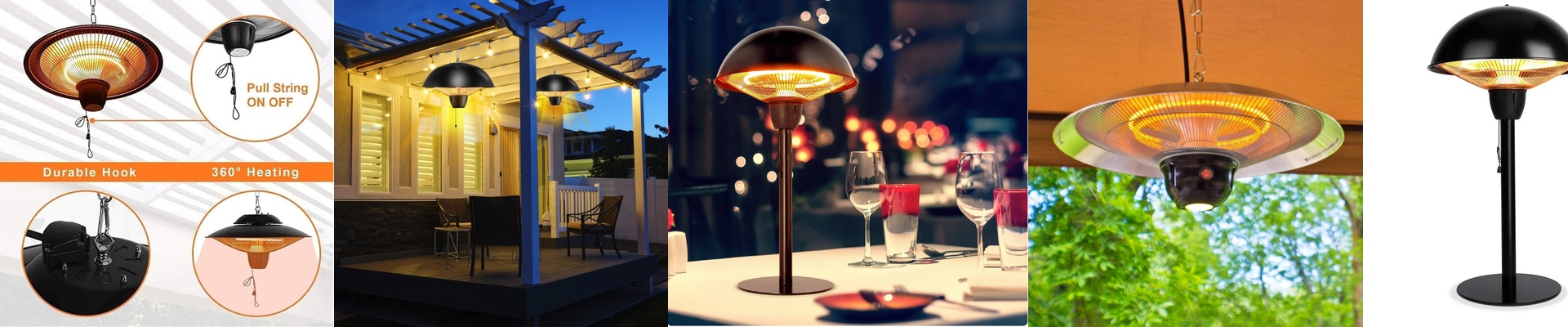
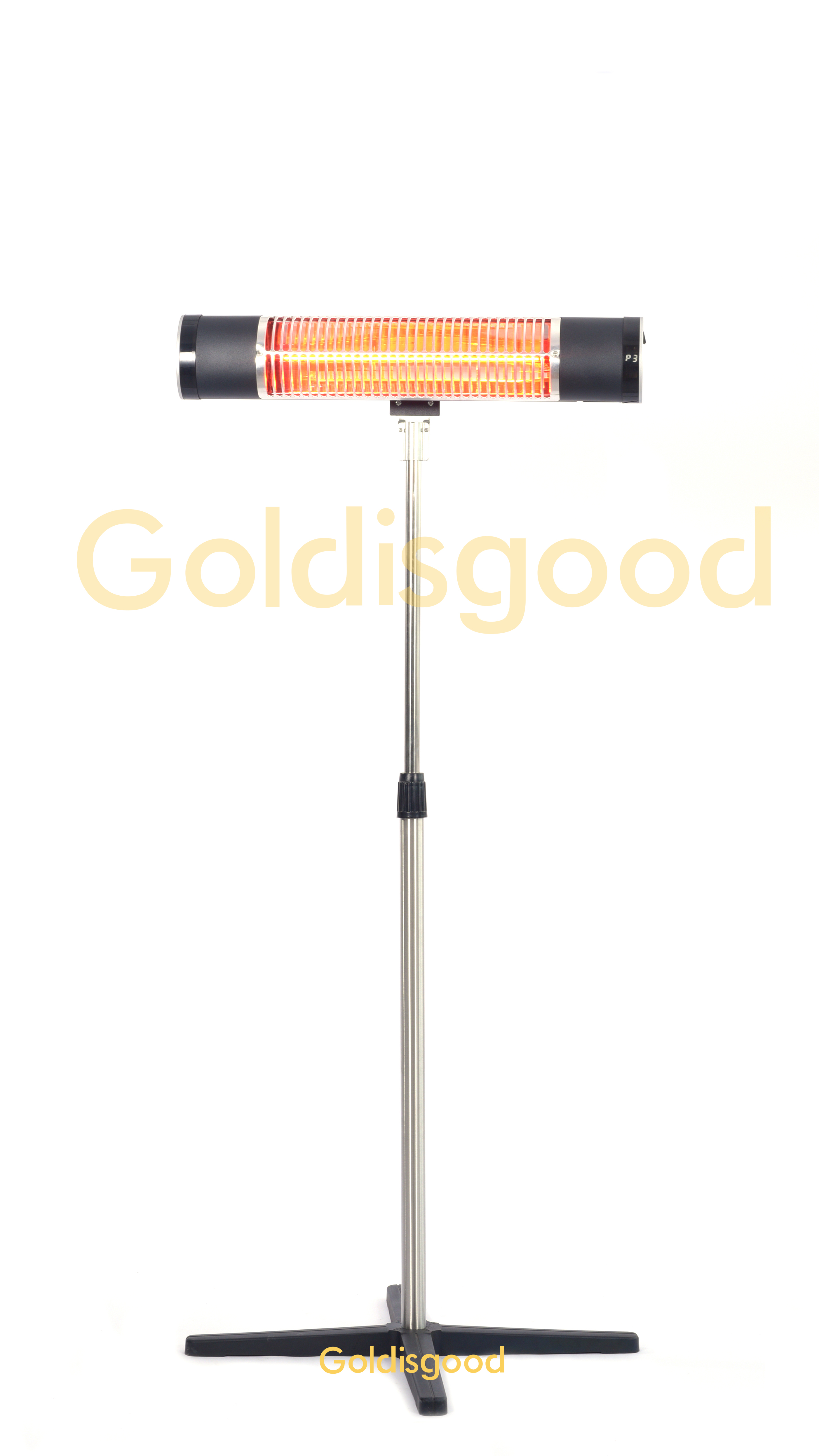
Stepping out of the shower into a bathroom that still feels damp and chilly is more than uncomfortable—it sets the stage for mold and mildew. Traditional warm air heaters warm the air, but they don’t touch the surfaces that stay wet. An infrared bathroom heating lamp changes the equation by delivering radiant heat directly where it matters.
What matters under the hood
We built this heater around a quartz-halogen short-wave infrared element. It throws intense, directional radiant heat that travels at light speed and gets absorbed by walls, floors, and towels—not just the air. In practice, surfaces warm quickly, so condensation drops off. The unit runs on standard household voltage, draws modest current, and delivers focused warmth without blowing air. The payoff is a steadier surface temperature that keeps the room drier, cycle after cycle.
Why this works in a bathroom
Moisture is the real problem. When cold surfaces stay cold, condensation forms and mold spores take hold. The infrared lamp warms those surfaces, so water beads less, dries faster, and the room feels more balanced. That means fewer musty odors, less scrubbing, and a healthier routine. You feel comfort immediately—radiant heat warms you on contact, so you don’t wait for the air to heat up. It supports better air quality by cutting down the damp conditions mold needs to thrive.
The practical details
This is a direct-heat device, so aim it at the wet zones—shower walls, vanity areas, and towel rails. It complements your existing ventilation; it doesn’t replace it, so keep the exhaust fan running during and after bathing. Installation is straightforward, but the lamp must be rated for bathroom use and placed out of direct spray. Plan for a dedicated circuit and a licensed electrician if you’re adding it to an existing bath.The payoff is simple: a cozier bathroom that stays cleaner, with less effort.