Why Your Bathroom Heater Doesn’t Just Explode
Think about your morning shower. It’s steamy, humid, and you’ve got those infrared lamps cranking out heat to keep you warm. Now, imagine a single drop of cold water landing on a glass tube that’s glowing at 500°C. With regular quartz glass, that’s a recipe for a loud pop and a mess of shards. Not exactly the way you want to start your day. That’s why we use explosion-proof quartz. It’s all about handling that “thermal shock.”
The science of the “pop”
Here’s the thing: when a cold droplet hits a scorching hot lamp, it creates a tiny, freezing cold spot in one specific area. The rest of the glass is still expanding from the heat, but that one spot shrinks instantly. That tension is what cracks the glass. To stop this, we use a special heat-resistant coating or a modified quartz blend. It helps the tube spread that stress out across the whole surface instead of letting it concentrate in one spot. It’s the difference between a lamp that lasts for years and one that shatters the second you turn on the shower.
Instant heat (and the catch)
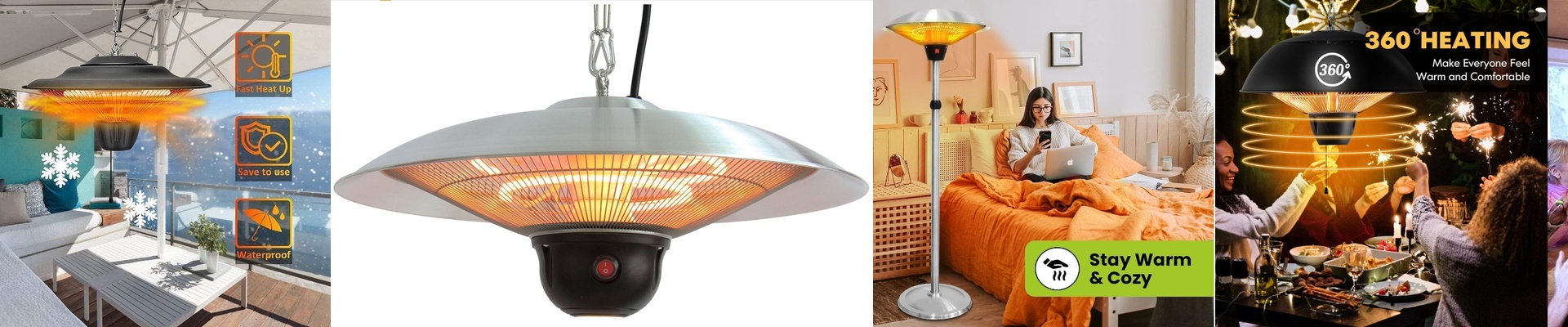
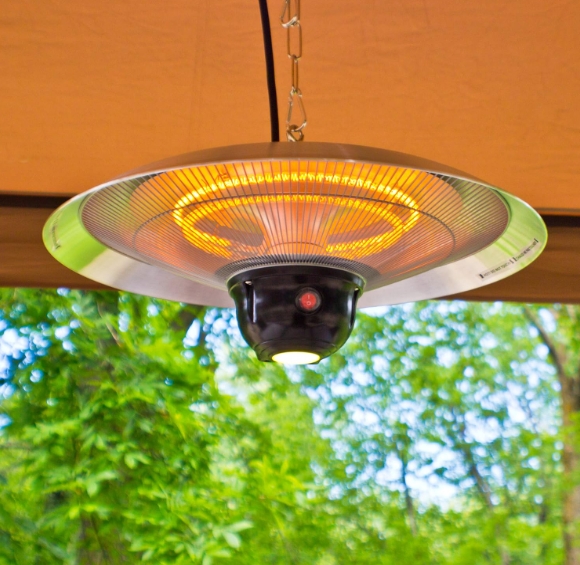
Most of these tubes run on 220V, pulling anywhere from 400W to 800W. We design them for short-wave infrared emission. In plain English? The heat doesn’t waste time warming up the air in the room. It travels in a straight line and hits you immediately. It feels great. But there is a trade-off. The tubes getinsanely hot. If the housing isn’t vented properly or if the insulators are cheap, you’ll notice the plastic casing starting to warp over time. It’s a delicate balance.
Getting the install right
We stick with R7s or Sk15 connectors because they just fit better. They’re simple drop-in replacements that keep the electrical connection tight. If a connection is loose, it starts to arc. That’ll burn out your socket in a few weeks, and then you’re back to shivering in the cold. One last tip: check your wiring. If you’re running three or four of these lamps, you need a wire gauge that can actually handle the load. If the wire is too thin, you get a voltage drop. The lamps won’t get hot enough, and ironically, that makes the glass more prone to failing in a wet environment. Keep the power steady, and your bathroom stays warm and safe.