
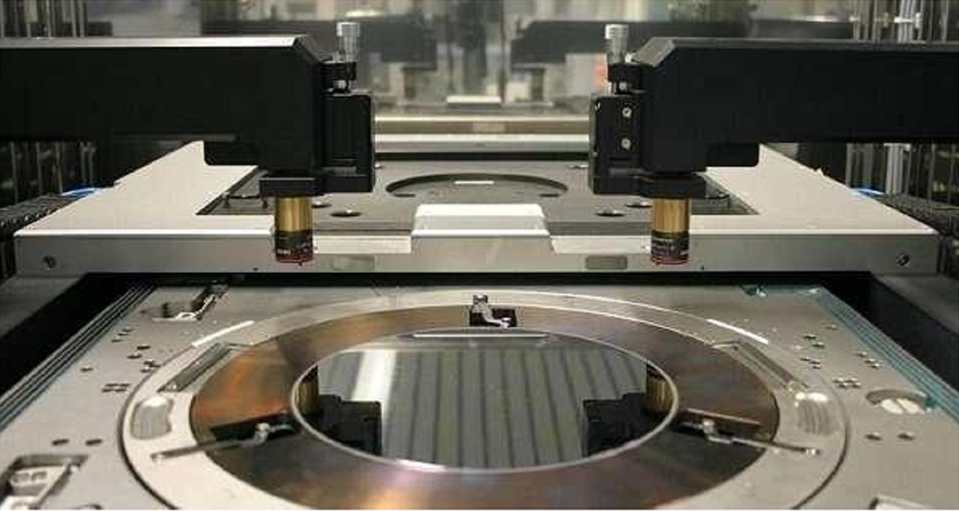
Stopping the Nightmare: Keeping Your Wafers Clean When IR Lamps Fail
If you’re running high-load semiconductor production, you know the feeling. You’re in the zone, everything is humming, and then—pop. An infrared lamp bursts inside your glovebox. Now it’s not just about the downtime. It’s a mess. You’ve got glass shards and tiny particulates raining down directly onto your wafers. It’s a total contamination disaster. We’ve spent a lot of time designing our IR elements specifically so you don’t have to deal with that headache. Why lamps actually break Most of the time, it comes down to thermal shock or those annoying localized hotspots. To fix that, we use high-purity synthetic quartz with a very specific wall thickness. It helps the heat spread out evenly. We also obsess over the tungsten filament. By making sure it’s perfectly centered, we get rid of the “hot spots” that put too much stress on the glass. But we didn’t stop there. We added a special protective coating to the quartz. This does two things: it helps the wafers absorb the heat better, and it acts like a safety net. If the inner tube does crack, the coating helps hold everything together just long enough for your system to trigger a shutdown before the glass goes everywhere. Getting the power right We all want rapid ramp-up times, but there’s a catch. If you push too many watts through a tiny space, you’re just asking for a burnout. We’ve found a sweet spot with the voltage and wattage to keep the filament temperature in a safe zone. And a quick tip on the wiring: use high-temp ceramics. I’ve seen too many failures start because of poor contacts leading to arc-overs at the ends of the lamp. To stop those electrical leaks, we use reinforced end-caps. It’s a small detail, but it’s a big deal. The honest trade-offs Look, no heater is indestructible. Because of that protective coating I mentioned, your initial heat-up might be a tiny bit slower than it would be with bare quartz. It’s a trade-off for the safety. You’ll just need to tweak your PID settings to get the thermal response exactly where you want it. Also, just double-check that your glovebox ventilation can handle the ambient heat from these high-density elements. You don’t want the box getting too toasted.