

Stop Waiting on Your Bench-Top Heat
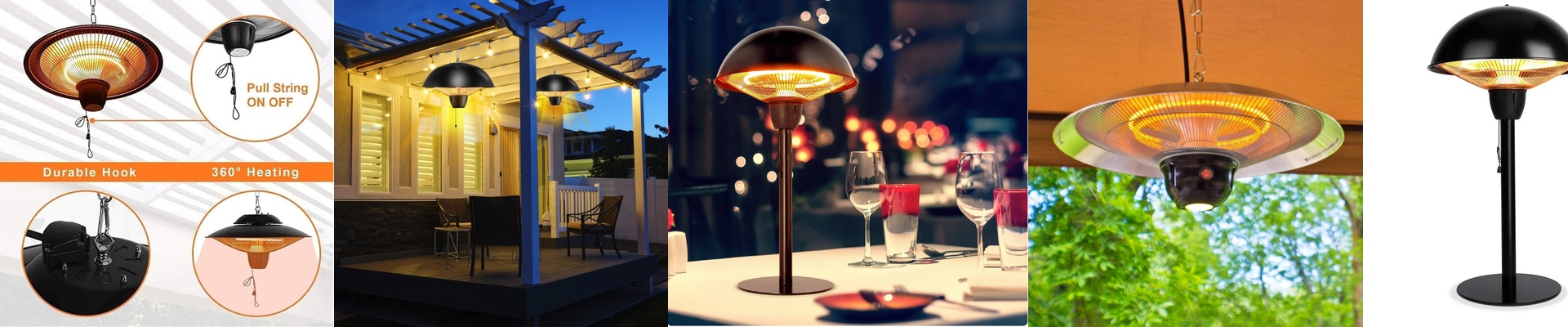
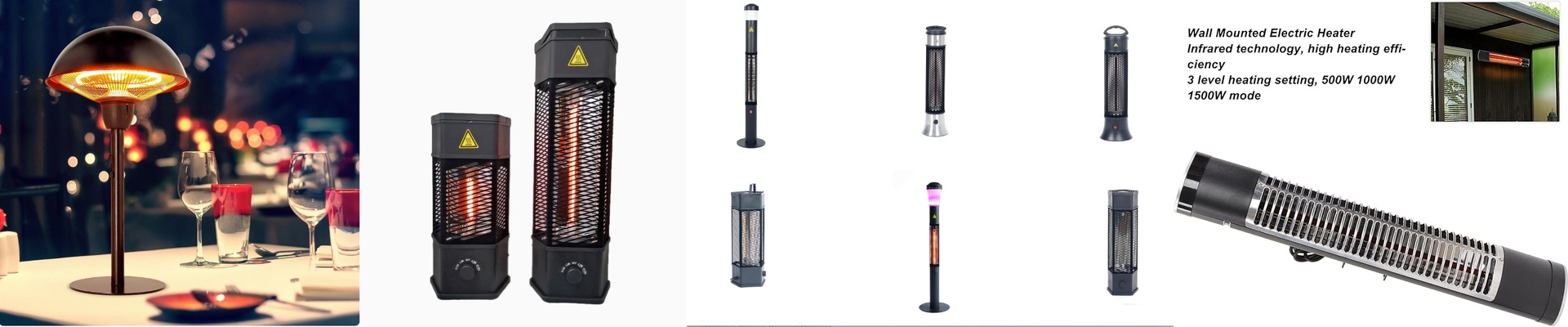
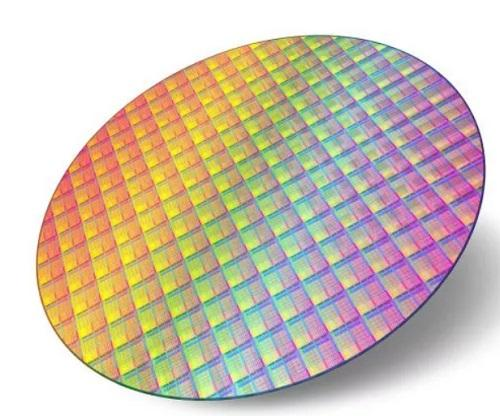
In semiconductor work, speed is everything. But if you’re still using hot air circulation to heat your parts on the bench, you’re basically hitting a wall. Think about how hot air works. You heat the air, then you wait for that air to heat the part. It’s a middleman process. And in a high-pressure shop, middlemen just slow things down. The real problem is the lag. That’s where infrared (IR) lamps come in. Instead of messing around with air, IR uses radiant heat. These waves move at the speed of light and hit your target directly. No middleman. No waiting for a breeze to warm up. When you put an IR lamp in your clean room, you aren’t just buying a piece of hardware. You’re buying your time back. Imagine a wafer. If a hot air oven takes ten minutes to get that surface temperature stable, an IR array can do it in seconds. That’s the difference between staring at a timer and actually getting work done. Cleaning up your workspace Plus, these things are tiny compared to the bulky air units. You can ditch the massive blowers and the insulated ducting that takes up half your bench. You just wire the lamps to a PID controller, mount them overhead, and you’re set. There’s another hidden perk: you aren’t heating up the entire room. Since the heat is targeted, your HVAC doesn’t have to work overtime, and your other sensitive gear won’t start acting up because the ambient temperature spiked. The catch (because there’s always one) Now, IR isn’t a magic trick. It’s directional. If your parts have weird shapes or deep pockets, you’ll run into “shadowing”—basically, the heat can’t “see” into the cracks. To fix that, you can’t just slap one lamp on top; you’ll need to angle a few different lamps to make sure every spot gets hit evenly. Also, keep in mind that these arrays put out some serious, intense heat. Just make sure your bench surface can handle the heat without warping or melting.