

Stopping the Nightmare of Lamp Blowouts in Wafer Processing
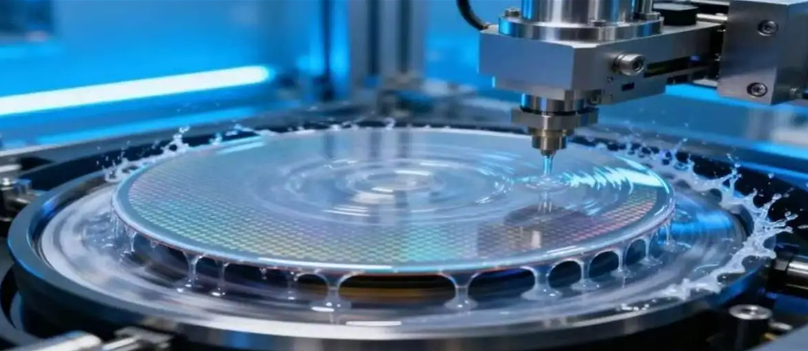
If you’ve worked in high-load semiconductor production, you know the feeling. That sudden pop of a lamp blowing. It’s not just a broken part; it’s a total disaster. When a quartz tube bursts, you’ve got glass shards and tungsten filaments raining down right onto your wafers. Your batch is gone. Now you’re stuck spending hours—or days—scrubbing the chamber just to get back to baseline. It’s a headache nobody wants. That’s why we built our twin-tube gold-coated lamps. We wanted to kill that “secondary pollution” problem for good. The secret is in the nest. We put the heating element inside a second quartz envelope. Think of it as a safety net. If the inner tube gives out because of a power surge or thermal shock, the outer tube catches all the debris. The mess stays inside the lamp. Your wafers stay clean. You can either keep the line moving or shut it down on your own terms, without the panic of a catastrophic cleanup. Why the gold? Standard quartz lamps bleed a lot of energy. It just vanishes into the air. To fix that, we added a thin gold coating to the outside. It acts like a mirror, bouncing infrared radiation right back toward the target. This means you get a much higher heat density on the wafer surface without having to crank up the wattage. It’s just more efficient. But a word of caution: gold is delicate. You can’t go in there with harsh chemicals or scrub these tubes. If you do, you’ll strip the coating right off and your thermal profile will go sideways. Treat them gently. Getting them to work in the real world These lamps are designed for high-wattage, short-wave output. When you plug these into a high-load system, things gethot. Really hot. Because of that, you have to double-check your cooling manifolds. If your airflow dips, that gold coating can actually cause the quartz envelope to overheat, which will eat away at the lamp’s lifespan. To help with the stress of rapid heating and cooling, we added reinforced end-caps so the seals don’t fail on you. They’re designed to be a simple drop-in replacement for most standard heating arrays, so you don’t have to rebuild your whole setup just to upgrade.