Why we use gold-coated IR lamps for lead-free semiconductors
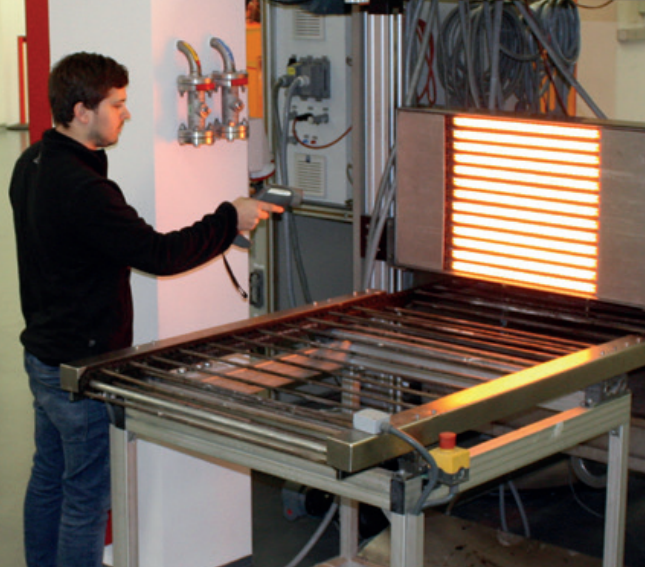
Let’s be honest: traditional convection ovens are a bit of a waste. You spend all this energy heating up the air and the walls of the machine, and only a fraction of that actually reaches your product. It’s inefficient and, frankly, outdated. That’s why we shifted to gold-coated short-wave infrared (IR) lamps. Instead of heating the room, these lamps shoot energy straight into the substrate. It’s a direct hit. The secret is in the gold. Standard quartz lamps throw out a broad spectrum of light, most of which just disappears into the void. By adding a thin layer of gold to the quartz, we change the game. The gold acts like a filter, bouncing the useless wavelengths back into the filament and pushing out exactly the kind of IR bands that semiconductor resins actually soak up. You get more heat where you need it and way less heat leaking into your machine frame. Now, there’s a catch. These lamps are fast. Like, “reach curing temperature in seconds” fast. But that kind of power density comes with a trade-off. It creates intense, localized heat. If your cooling fans or heat sinks aren’t up to the task, you’re going to have problems—burnt-out lamp ends or melted reflector housings. You have to find that sweet spot between your power settings and your conveyor speed. If you get it wrong, you’ll end up over-curing the edges of your wafers. Cleaning up the process. Moving to lead-free solders and adhesives isn’t just about following rules; it’s about precision. These materials are picky. They need a very specific thermal profile to bond without leaving those annoying little air bubbles (voids). The best part? IR curing is just… cleaner. No VOC-heavy solvents, no combustion gases, and nothing leaching nasty contaminants into your cleanroom. It’s a much lighter footprint on the planet. If you’re still running old gas-fired systems, these are a simple swap. You’ll see your energy bills drop and your fab will stay compliant with global standards without any drama. Just pair it with a solid PID controller to keep your temperature locked in within a ±2°C window, and you’re good to go.