

Stopping the Dust: How to Actually Get Zero-Contamination Heating
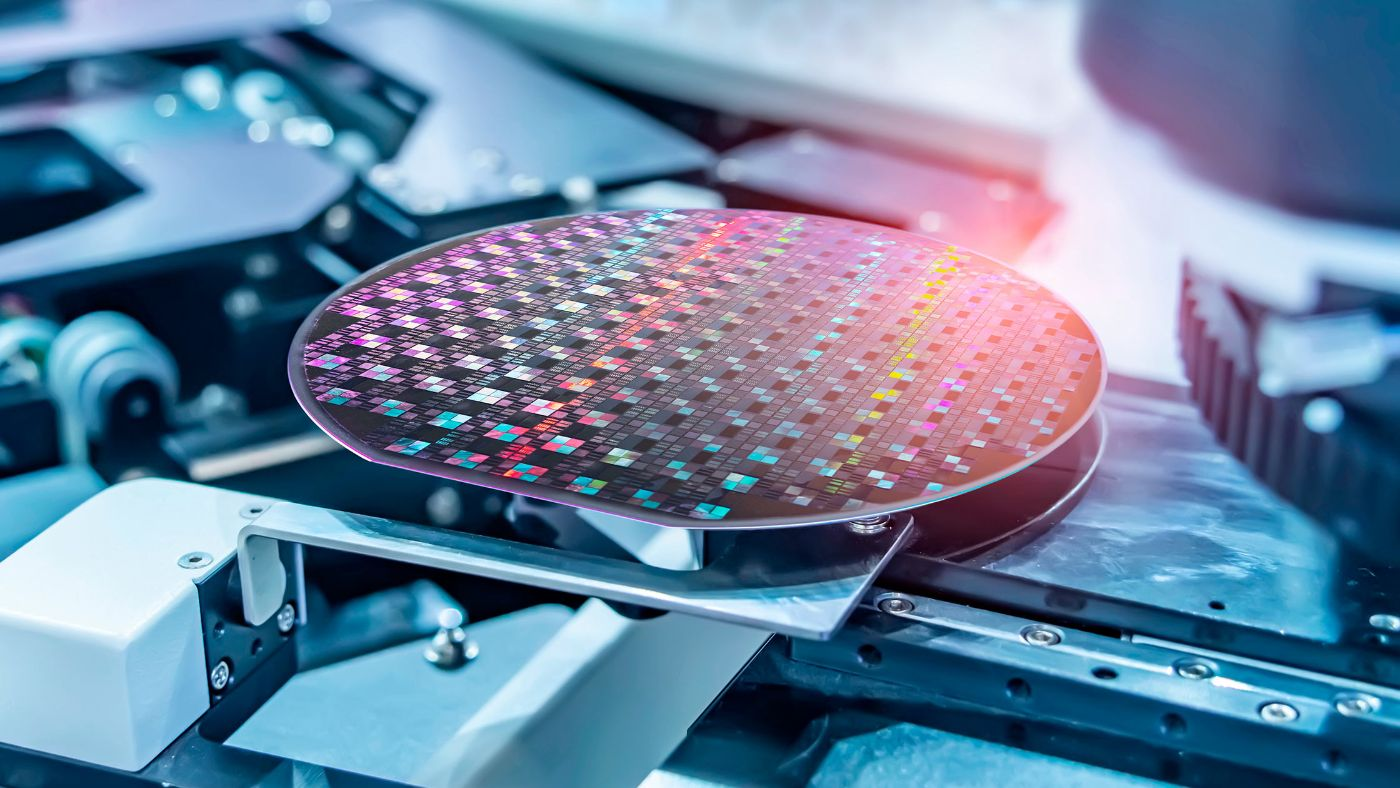
If you’re running a Class 100 cleanroom, you already know the nightmare. One tiny flake of material shedding off a heater isn’t just a “glitch”—it’s a total failure. Most standard resistive heaters are a liability because they outgas or literally start to peel over time. We stopped worrying about that by switching to carbon fiber heating elements wrapped in high-purity quartz. Why carbon fiber? Here’s the thing: metal filaments oxidize. They break down. They shed micro-particles. Not our carbon fiber. We seal these filaments in a high-vacuum environment inside a synthetic quartz tube. It’s an incredibly clean setup that doesn’t leak impurities into your workspace. Plus, it’s fast. Like, “hits target temperature in seconds” fast. The devil is in the details Most contamination doesn’t happen in the middle of the lamp; it starts at the seals. We use specific glass-to-metal seals to make sure nothing from the inside of the lamp ever escapes. We even polish the quartz surface. Why? Because microscopic pits are basically magnets for dust. A smooth surface means nothing has a place to hide. And a quick word of advice on the hardware: watch your mounting brackets. It sounds simple, but using cheap steel clips is a disaster waiting to happen. They rust. They flake. Stick with stainless steel or PTFE-coated holders if you want to keep things truly sterile. Getting it installed (The “Gotchas”) These lamps put out an intense, concentrated blast of heat. That’s great because your equipment can be smaller, but it means you can’t be sloppy with your power supply. You need precise voltage regulation. If you hit a 5% spike, you’re going to kill the life of that filament. It’s just that sensitive. One last thing on the wiring: throw away the standard PVC cables. They off-gas. Use FEP or PTFE jackets instead. Also, keep an eye on your airflow. If your cooling isn’t balanced, the heat soaking off those quartz tubes can actually warp any nearby plastic housings. Keep the air moving and you’ll be fine.