
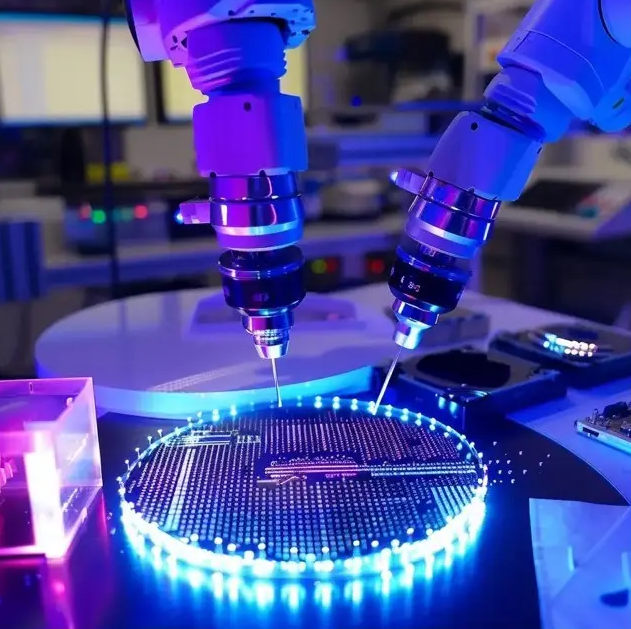
On the fab floor, thermal drift in rapid thermal processing eats into the thermal budget, and photoresist profiles start to collapse. Wafer-level uniformity isn’t some academic metric—it’s the line between a profitable run and a bucket of scrap. What actually matters under the hood We spec halogen lamps for RTP with short-wave output and quartz envelopes because they get the wafer hot, fast, and repeatable. You can hold wafer-level uniformity at ±0.1°C, and the temperature stays stable even when the line is running 24/7. The filament geometry and reflector path are tuned so the thermal profile stays consistent lot after lot. That’s how soft bake and hard bake follow the recipe, instead of chasing tool drift. Why it holds up in production In Class 1–100 cleanrooms, particle generation is the quiet yield killer. These lamps run without shedding particles, so you’re not contaminating lithography and downstream layers. Photoresist baking becomes predictable, which cuts rework and tightens cycle time. Energy use is trimmed without compromising ramp rates, so cost per wafer comes down while the chamber stays stable. The payoff is fewer excursions, tighter CD control, and uptime you can actually bank on. What you need to get right Installation comes down to precise lamp alignment and calibration to the chamber’s emissivity and thermal mass. Matching the base, connector, and voltage to the host RTP tool is mandatory—mismatches create hot spots and burn out filaments early. Schedule PMs based on actual lamp hours, not the calendar. Treat the lamp like the calibrated component it is, and the process repeatability will follow.
공정 현장에서, 래피드 써멀 프로세싱(RTP) 중 열 드리프트는 열 예산을 갉아먹으며, 포토레지스트 프로파일이 무너지기 시작한다. 웨이퍼 수준의 균일성은 단순한 학술 지표가 아니라, 수익성 있는 공정과 불량 폐기물의 경계선이다.
실제로 중요한 요소
RTP용 할로겐 램프는 단파 출력과 석영 봉투(quartz envelope)를 사양으로 지정한다. 이는 웨이퍼를 빠르고 반복 가능하게 가열하기 위함이다. 웨이퍼 균일성을 ±0.1°C 내에서 유지할 수 있으며, 라인이 24시간 7일 가동 중일 때에도 온도는 안정적으로 유지된다. 필라멘트 형상과 반사경 경로는 배치별로 동일한 열 프로파일을 유지하도록 조정된다. 이렇게 해서 소프트 베이크와 하드 베이크는 툴 드리프트를 쫓지 않고 레시피에 따라 진행된다.
생산에서 견고한 이유
Class 1–100 클린룸에서는 입자 발생이 조용한 수율 저하 원인이다. 이 램프들은 입자를 발생시키지 않고 가동되어, 리소그래피 및 이후 공정층 오염을 방지한다. 포토레지스트 베이킹이 예측 가능해져 재작업이 줄고 사이클 타임이 단축된다. 에너지 사용은 램프의 상승 속도를 저해하지 않으면서 절감되어, 웨이퍼 단가가 낮아지고 챔버 안정성도 유지된다. 결과적으로 공정 이탈이 감소하고 CD(critical dimension) 제어가 엄격해지며 신뢰할 수 있는 가동 시간을 확보할 수 있다.
정확히 해야 할 사항
설치는 램프 정렬과 챔버의 방사율 및 열 질량에 대한 정확한 보정에 달려 있다. 베이스, 커넥터, 전압을 호스트 RTP 장비와 일치시키는 것은 필수이며, 불일치 시 국부 과열과 필라멘트 조기 소손이 발생한다. 정비 일정은 달력이 아닌 실제 램프 사용 시간을 기준으로 계획해야 한다. 램프를 교정된 부품으로 인식하고 관리하면 공정 반복성이 확보된다.