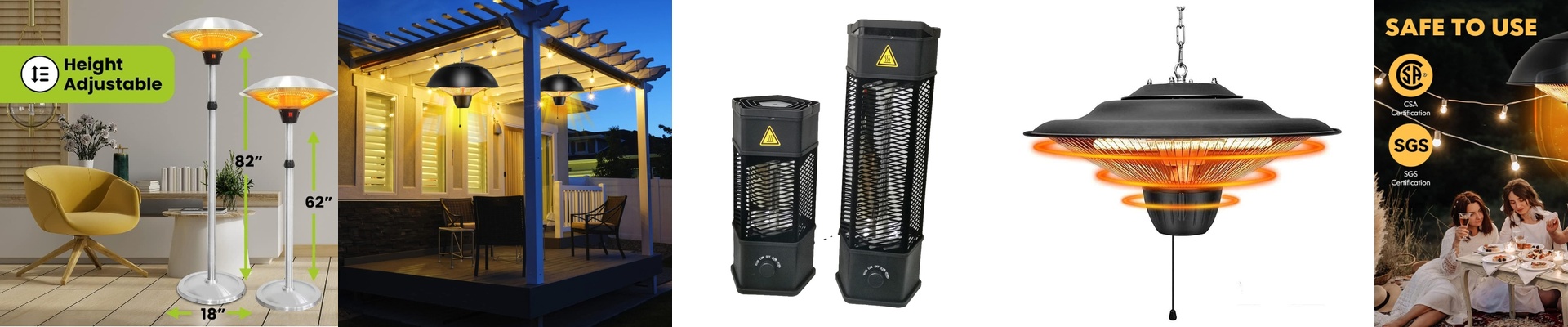
Making Your Ceiling Heaters Actually Smart
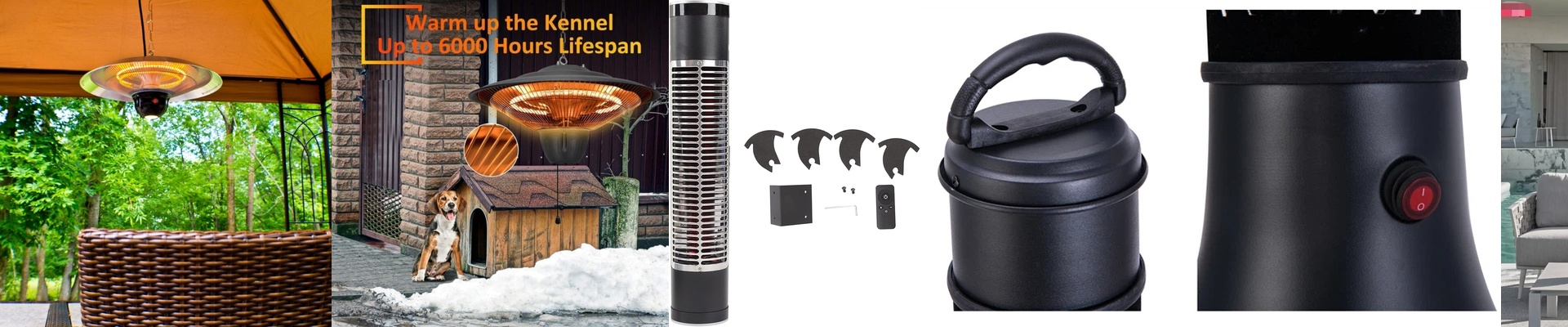
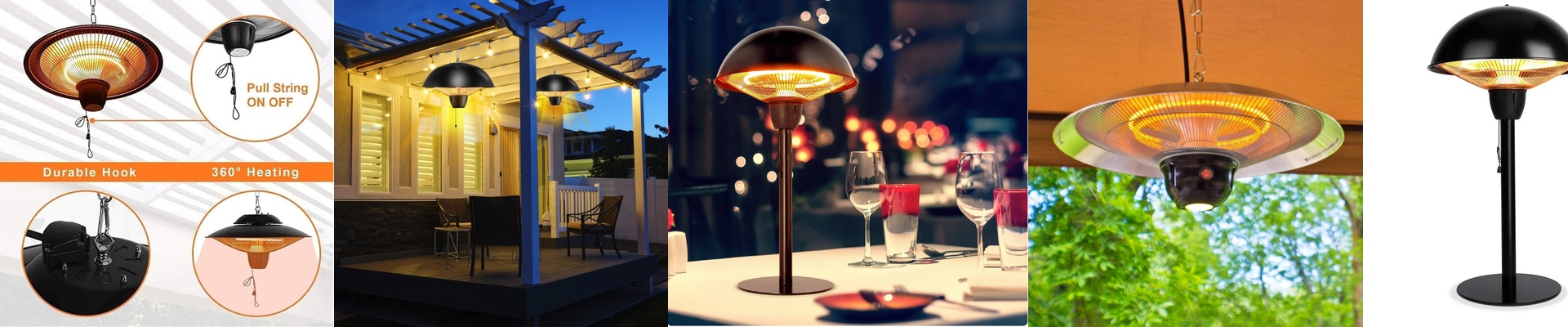
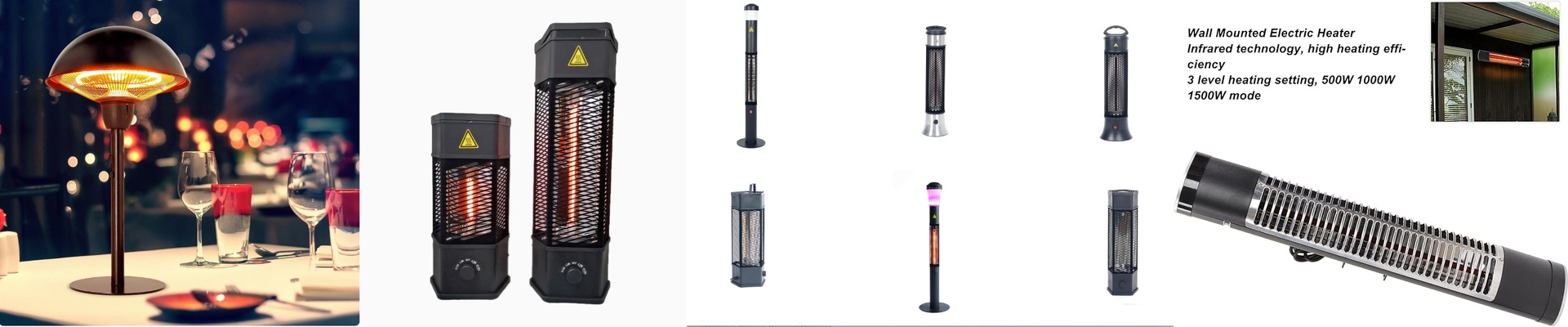
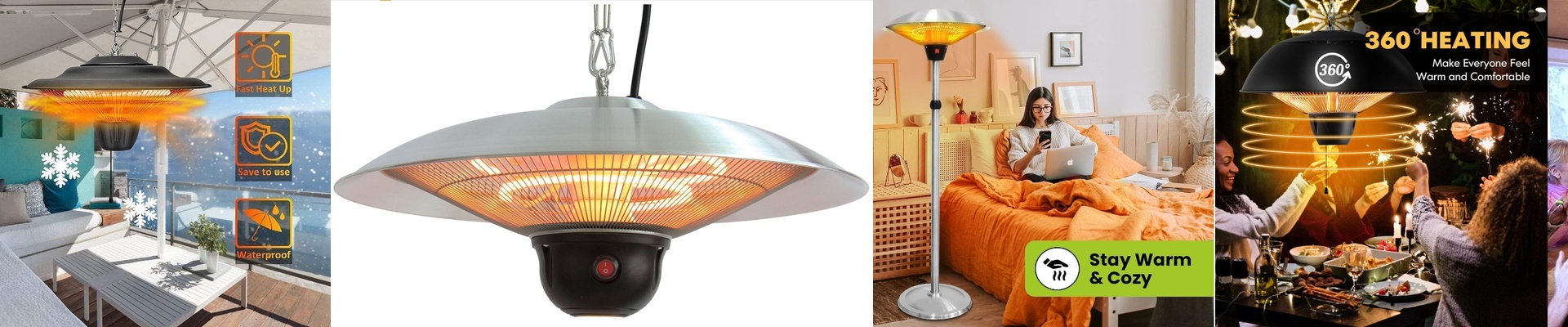
Most heaters work by warming up the air, which then slowly drifts around the room. Infrared is different. It’s more like standing in the sun on a crisp October day—it warms you and your furniture directly, not the empty space around you. When you hook these up to a smart home system, you stop messing with wall switches and start letting the house do the thinking for you.
That “Instant” Feeling
Standard HVAC systems are slow. You turn them on, and you wait. But infrared is fast. Really fast. If you add a smart relay or a Zigbee/Matter controller, you can set it up so the heat kicks in the second you walk into the room or the moment a sensor notices a chill. It feels like an instant burst of spring. You don’t have to wait for the whole room to reach a certain temperature before you stop shivering; you feel the warmth on your skin immediately.
The Nitty-Gritty of Setup
Here is the thing: these heaters pull a lot of power. You can’t just plug them into any old smart plug and hope for the best. If you use a cheap switch, the initial surge of power might just fry the relay. You’ll want a heavy-duty contactor or a high-amp switch that can handle the load. And a quick tip on sensors:**don’t put your temperature sensor on the ceiling.**Heat rises. If the sensor is up there, it’ll think the room is toasty while your toes are still freezing. Put the sensor down where you actually spend your time.
A Few Things to Watch Out For
Smart tech is great, but it can’t cheat physics. If you’re installing a bunch of these in a big open room, check your wiring. If the wires are too thin, you’ll deal with voltage drops, and your heaters won’t actually hit the temps you want. Also, keep in mind that infrared is like a flashlight—it beams in one direction. If your smart system triggers the heat but you’re standing behind a wall or a large partition, you won’t feel a thing. Where you bolt these to the ceiling matters more than the software you use to run them.