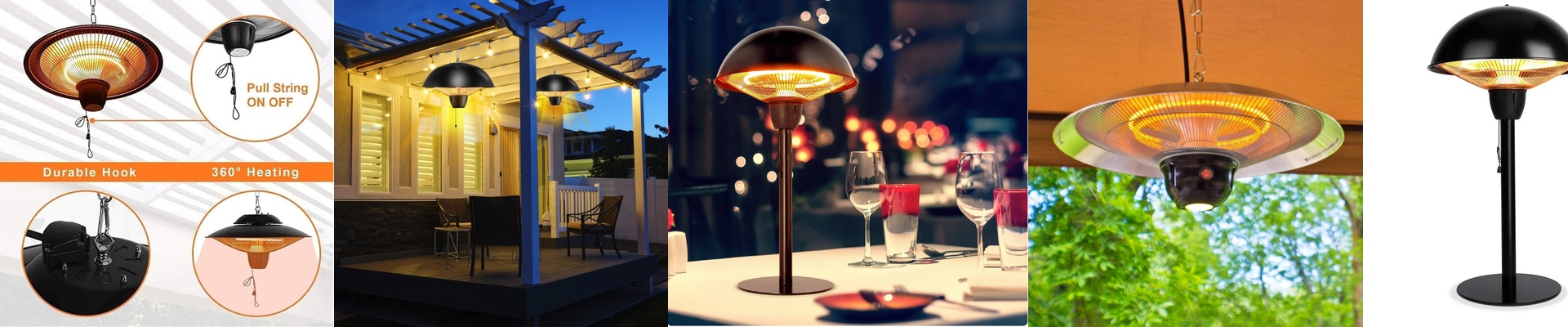
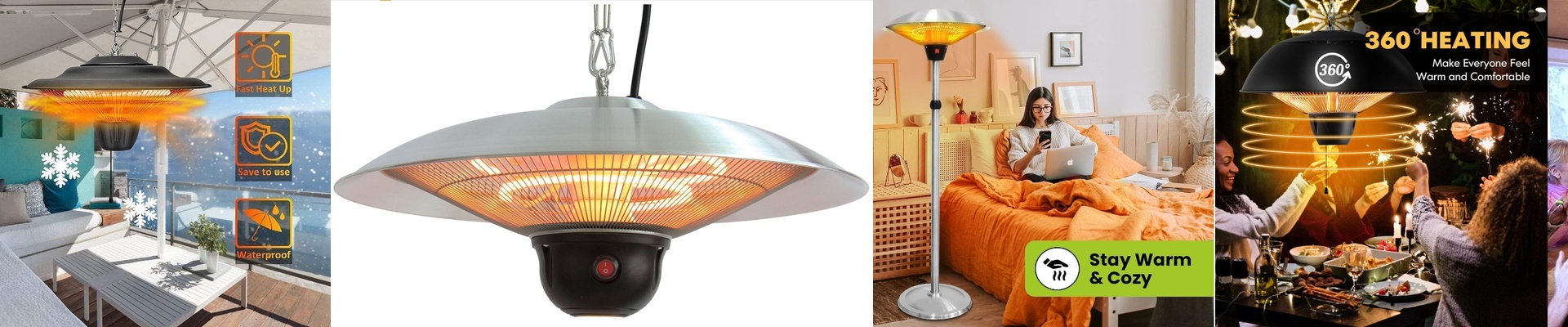
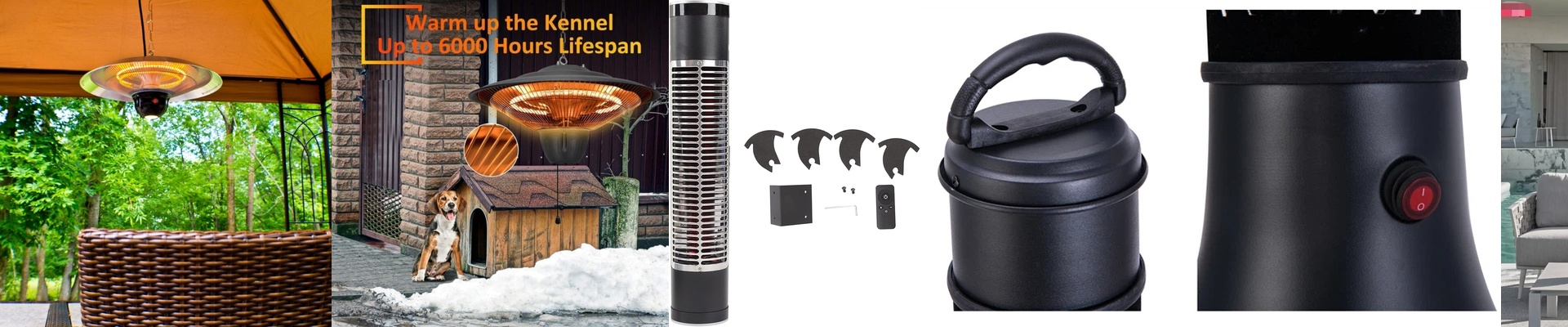
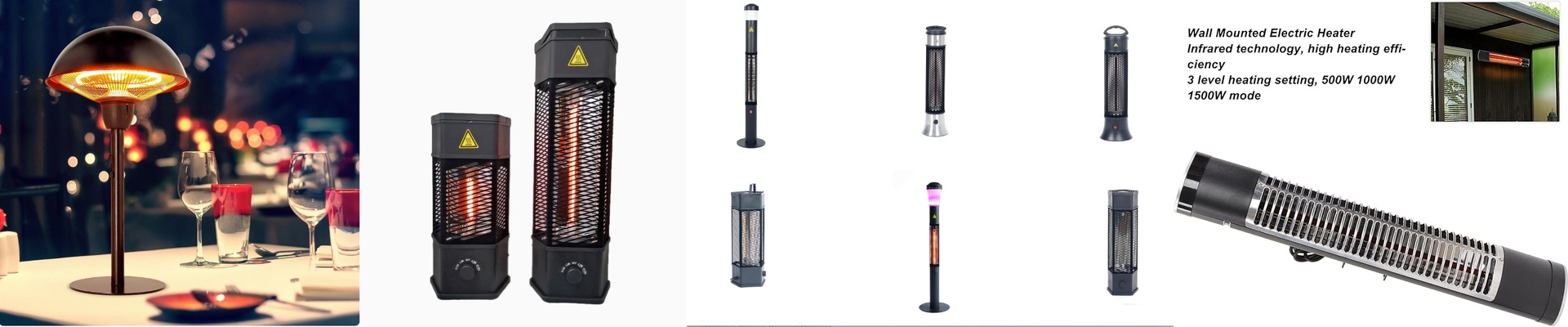
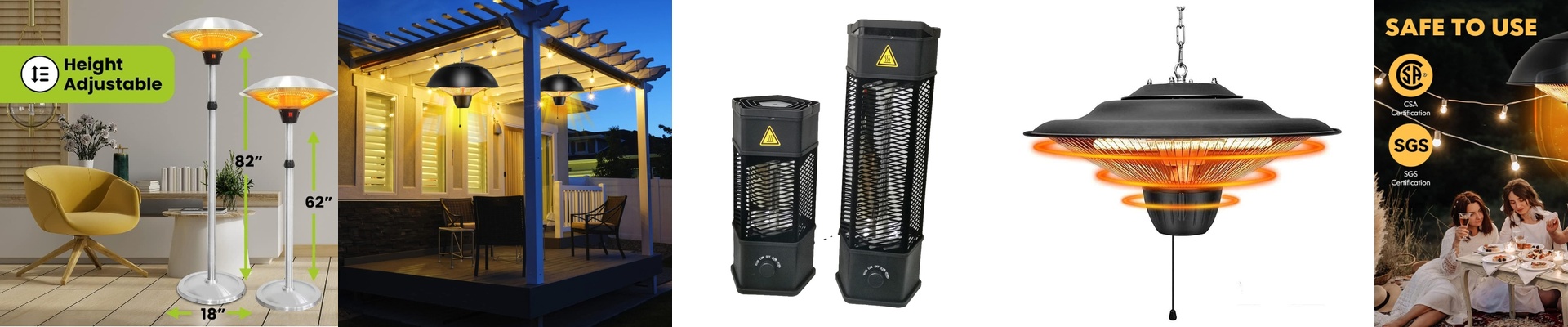
When we talk about heat in this business, we don’t think in terms of a blast of hot air. We think in terms of comfort you can feel—how fast it arrives, how steady it stays, and how little energy it wastes. That’s the whole point behind our approach to green thermal dynamics: warmth that lands where you need it, without the sloppy inefficiency.
What matters under the hood
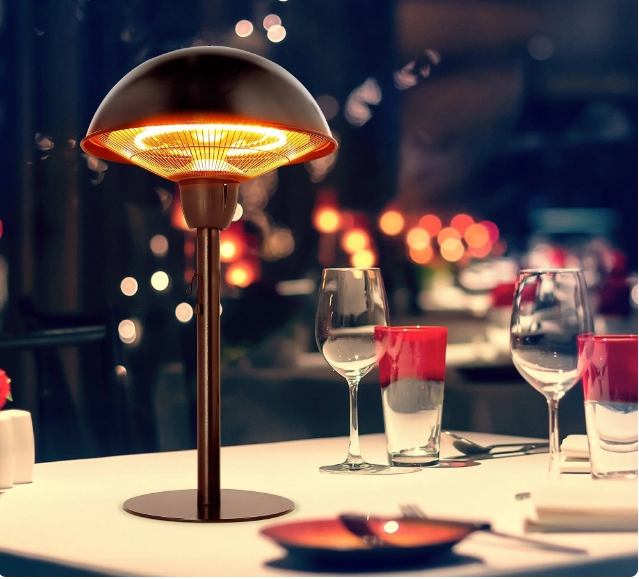
A portable heater for the home has to be precise, not heavy-handed. That’s why we lean on infrared radiant heat. It warms people and surfaces directly, the way the sun does—no waiting around for the air to carry the heat across the room. The core is a carbon fiber element paired with a quartz tube, chosen for fast response and long service life. In practice, you get warmth the instant the unit is switched on, with no fan roar and none of the dryness you get from forced-air systems.
Why it fits real life
Modern homes are busy, and comfort has to keep up. Whether you’re settling in after work, keeping the nursery steady, or adding a layer of warmth to a sunroom, the heater needs to do its job quietly and without getting in the way. With infrared warmth, you feel the heat almost immediately. That can mean fewer thermostat battles and steadier comfort. The result is a more natural, even feel—better for sleep, easier on relaxation—while keeping energy use focused on what actually matters: keeping you warm.
What you should know
Radiant heat shines in drafty spaces and open layouts, but it performs best when it’s aimed where you spend your time. If you want full-room comfort, pair it with gentle air movement. And yes, a quality portable heater costs more upfront than basic models. That’s an investment that pays back through consistent performance and fewer replacements. Always check the outlet and voltage match, and look for built-in safety features liketip-over protectionand athermostatfor steady, worry-free operation.