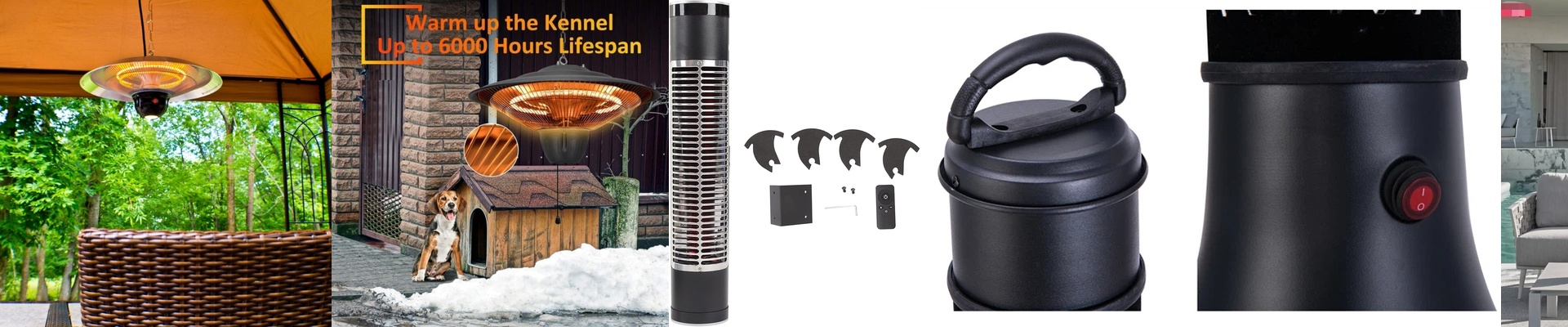
Why Your Bathroom Heater Shouldn’t Feel Like a Stadium Light
Ever turned on an infrared heater and felt like you were staring directly into the sun? It’s a common problem. Most of these things pump out a blinding amount of white light along with the heat. If you’re in a bathroom—especially if you’ve got a baby in the tub—that kind of glare is just too much. We figured out a better way. Instead of just letting the heat rip, we tweak the quartz element to change how the light behaves. Saving your eyes Standard lamps are bright. Like, blindingly bright. To fix that, we shift the energy toward the mid-to-long wave spectrum. We also add specific dopants to the quartz glass to filter out those harsh blue frequencies. The result? You get a soft, amber glow instead of a flashbang. It keeps your retinas happy while still getting you warm. Built for the steam Bathrooms are basically torture chambers for electronics. Between the humidity and the accidental splashes, most heaters just corrode or short out. That’s why we use IP65-rated housings. In plain English, that means the unit is dust-tight and can handle a spray of water without breaking a sweat. Inside, we use a halogen-filled quartz tube. The halogen keeps the filament from wearing out too fast, so the lamp actually lasts. We also added high-temp seals where the wires hit the chassis. This keeps the steam out of the electrical guts, which is where most of these units usually fail. The trade-off Here’s the honest part: when you prioritize eye safety, you lose a tiny bit of that raw, industrial “punch.” Because we’re filtering the light, the heat doesn’t hit quite as violently as a raw short-wave lamp. It’s a fair trade, but it means you might want to mount the unit a bit closer to where you’re standing, or just bump up the wattage to get the same feel. One last tip: check your circuit breaker. Quartz elements have a bit of a power surge when they first kick on, so make sure your wiring can handle the jump.