

Getting the Heat Where It Actually Belongs
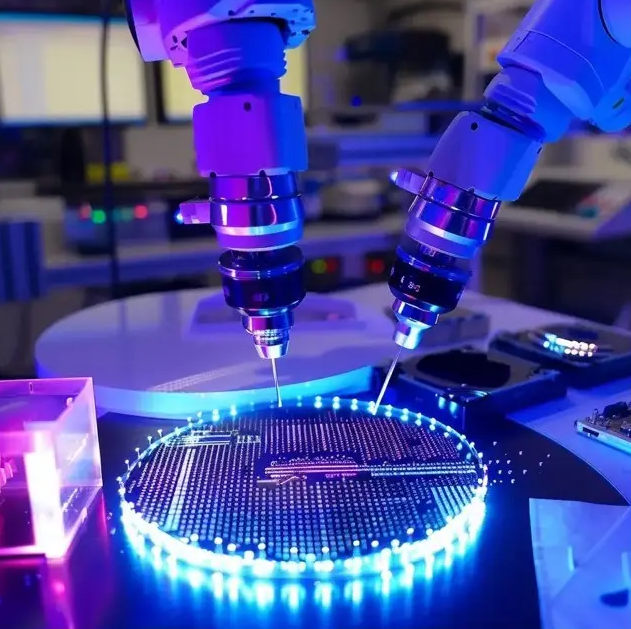
When you’re heating a wafer in semiconductor processing, just cranking up the wattage isn’t the answer. Anyone can throw power at a problem, but the real trick is directional control. If your IR energy is bleeding into the machine chassis, you’re just wasting electricity and heating up parts of the tool that should stay cool. That’s why we use gold-coated reflectors. It keeps the energy on target.
Why Gold?
Think about a standard quartz lamp. It throws radiation everywhere. In a cramped tool, that’s a recipe for overheating your surrounding components. We put a thin layer of gold on the reflector because, frankly, gold is just better at bouncing infrared energy than aluminum or polished steel. It focuses the heat into a tighter beam. The result? Every watt you pull from the wall actually hits the wafer. It’s efficient. Simple as that.
The Balancing Act
It all comes down to energy density. By tweaking the geometry and using that gold coating, we can concentrate the heat flux. This means you hit your ramp-up temperatures way faster. And in this business, a fast thermal response is usually what stands between a stable process and a ruined batch of wafers. But you can’t just push it to the limit. High-density radiation puts a ton of stress on the lamp seals and the housing. If you try to shave a few seconds off your cycle by cranking the power too high, you’re going to burn out the filament or warp the reflector. You’ve also got to make sure your cooling system can handle whatever heat doesn’t make it to the wafer.
Keeping it Running
We built these heaters to be drop-in replacements, so they should fit right into your existing arrays without a headache. One warning, though: gold is picky. If oils or chemicals get on that coating, your reflectivity tanks. Suddenly, your heat distribution is all over the place. We’re big on strict cleaning protocols for a reason. Keep the gold clean, or you’ll start seeing cold spots on your wafers, and that’s a problem you don’t want to deal with mid-shift.