
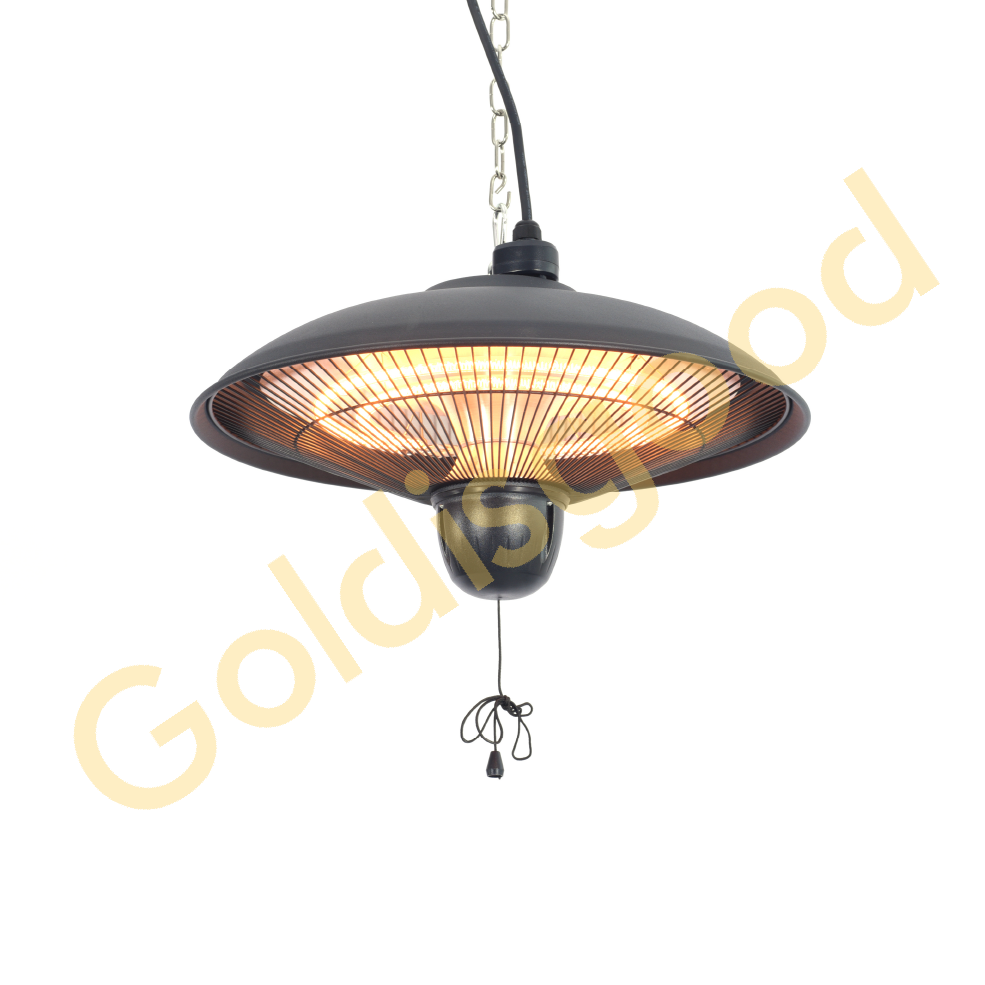
Why Your Bathroom Needs an IPX5 Infrared Heater
Most of those old-school bathroom heat lamps are pretty basic. They’re barely sealed, which is a problem because bathrooms are, well, wet. We’re seeing more people switch over to IPX5-rated infrared heaters lately, mostly because the standard stuff just can’t keep up with the steam and spray of a modern shower.
The deal with IPX5 vs. “Splash Proof”
Here is the thing about water: it finds a way. Most old heaters are rated IPX4. That means they can handle a few splashes. But in a steamy bathroom? That moisture eventually sneaks past the seals and settles right into the wiring. That’s how you end up with a short circuit or a heating element that just gives up the ghost way too early. We build our IPX5 units differently. We use reinforced gaskets and sealed cable entries. It basically keeps the insidesbone-dry, no matter how much steam you’re pumping out.
How the heat actually works
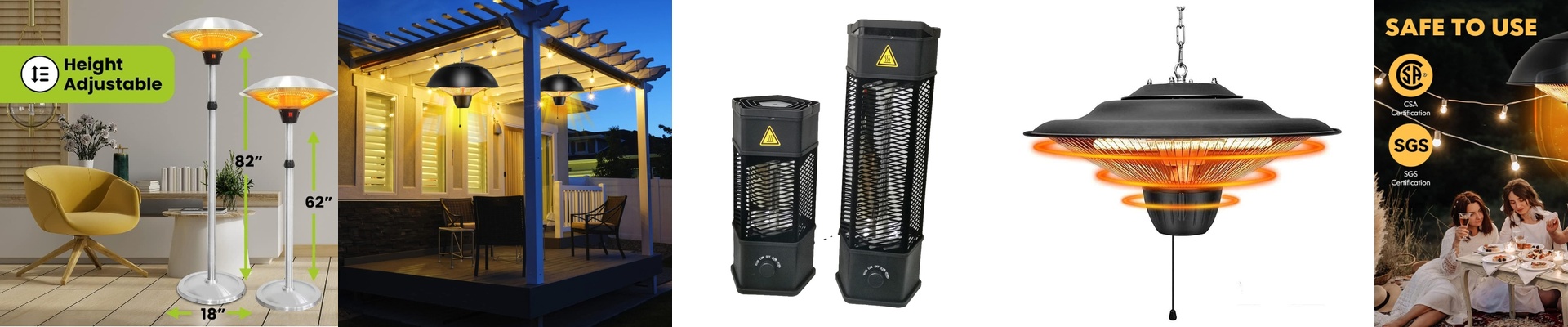
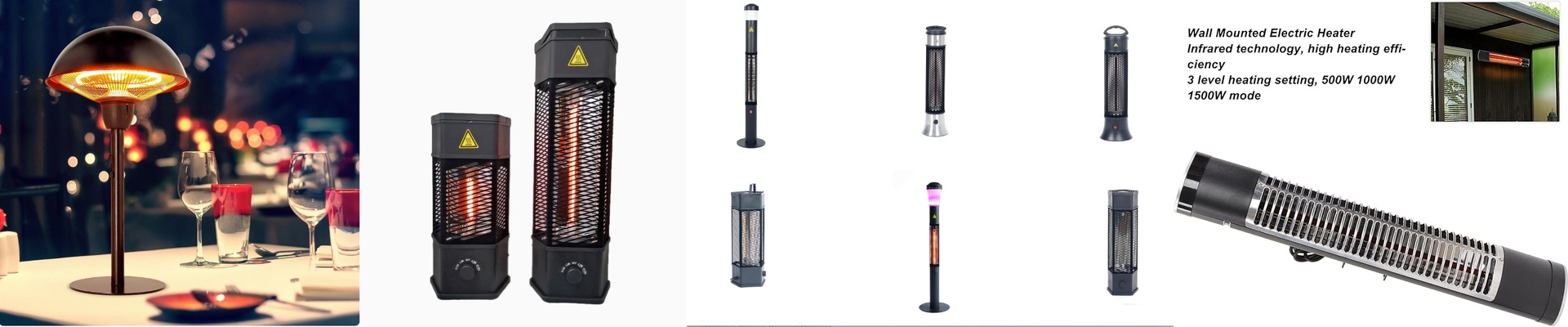
These aren’t your typical space heaters. Instead of trying to warm up all the air in the room—which takes forever—these use short-wave infrared. It hits your skin and the surfaces around you directly. The heat is instant. We use quartz glass tubes because they can handle being turned on and off rapidly without cracking. But a word of caution: this heat is intense. If you mount the unit too low, it’ll feel like you’re standing under a heat lamp at a buffet. You’ve got to get the installation height just right so it feels cozy, not scorching.
Making it work in your renovation
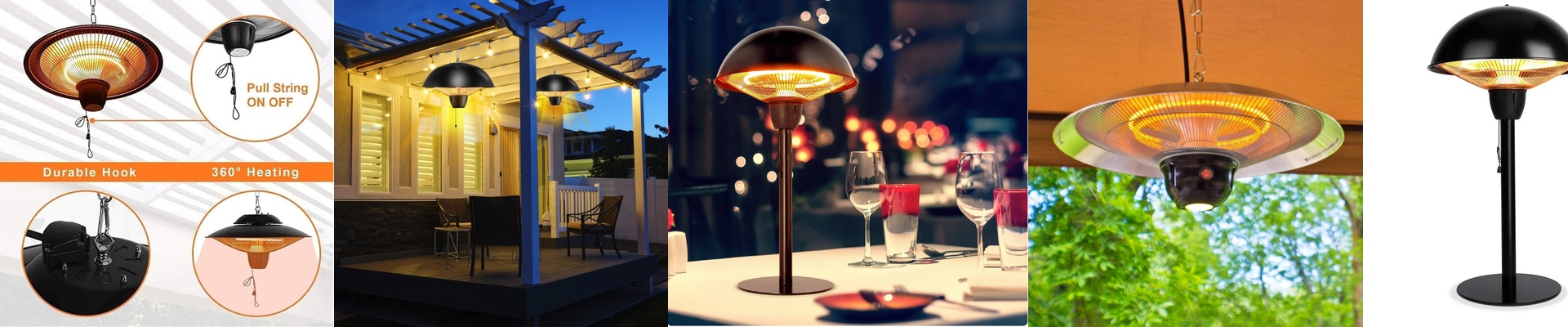
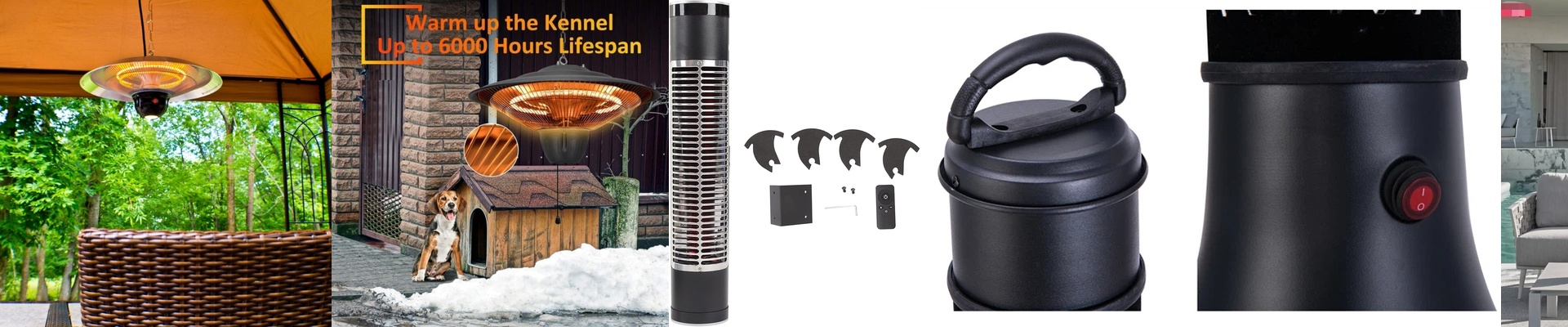
If you’re fitting these into a ceiling, you want a tight footprint and wiring that won’t quit. We use high-temp connectors because the last thing you want is a joint melting under a heavy load. Replacing an old lamp warmer with one of these is a huge relief. You get rid of that nagging worry about electrical failures in a damp room, and you don’t have to rip out your entire electrical system to do it. It’s a simple swap that just… works.