


Keeping Your Class 100 Cleanroom Actually Clean
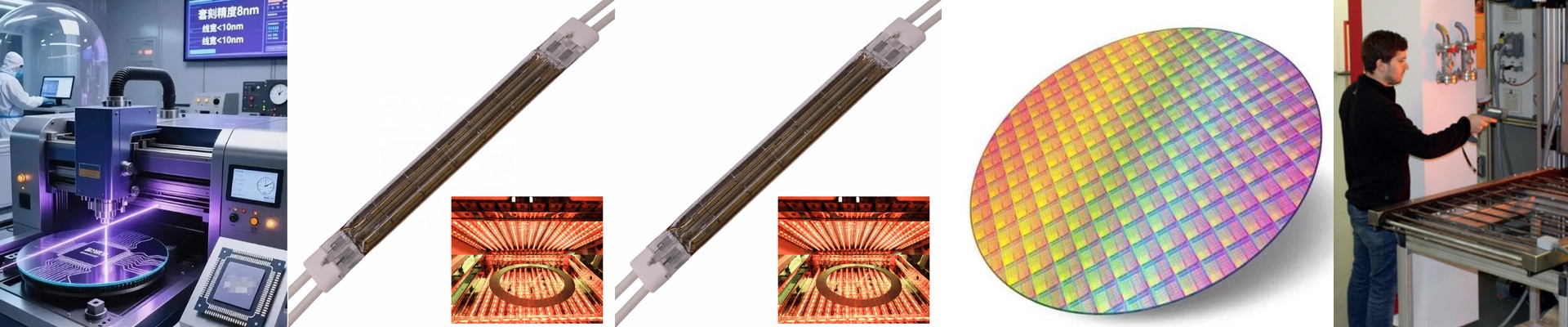
If you’re drying MEMS sensor wafers, you already know the nightmare: one tiny speck of dust landing on a wafer means the whole thing is trash. It’s frustrating. The problem is that most standard heating elements are basically particle factories. They outgas or shed microscopic bits right where you don’t want them. We fixed this by switching to high-purity synthetic quartz IR lamps. They don’t shed, they don’t leak metallic junk, and they keep your production line exactly where it needs to be.
Why the quartz matters
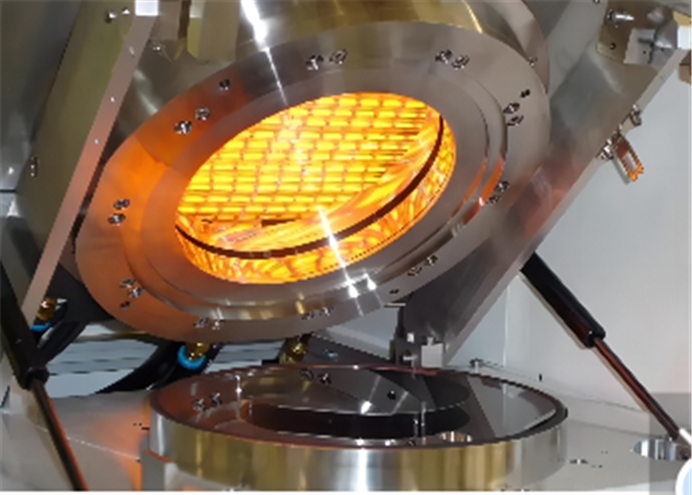
We use a specific kind of quartz envelope so the heat source doesn’t mess with your wafer surface. Standard glass just can’t handle the heat—it cracks or releases those annoying volatile organic compounds (VOCs) as it warms up. Our quartz handles the thermal shock without breaking a sweat. Plus, the IR radiation just dives straight through the liquid film on the wafer and evaporates it. No touching. No rubbing. No physical contact. It’s the only way to make sure those delicate MEMS structures stay intact.
Getting the heat right
To get a wafer dry in a few seconds, you need a lot of punch. We tweak the filament wattage and voltage to hit the sweet spot for your specific chemistry. But here’s the catch: high-wattage tubes get incredibly hot at the ends. If you don’t get your cooling manifolds dialed in, you’re looking at melted sockets or quartz that bows under the stress. It’s a balancing act.
Living with the gear
We designed these lamps to be swapped out fast. Downtime is a killer, so we made the process painless. Whether you’re using R7s or SK connectors, the fit is snug. That’s important because any wiggle room leads to oxidation at the contact points. Just keep an eye on your duty cycle. If you’re running them at 100%, the filament will naturally thin out over time. I usually tell people to watch the current draw. When you see the amperage start to dip, swap the tube. It’s much better to do it on your own schedule than to deal with a burnt-out lamp and a vacuum leak in your drying chamber.