

Don’t Let a Broken Lamp Kill Your Batch: Keeping MEMS Wafers Clean
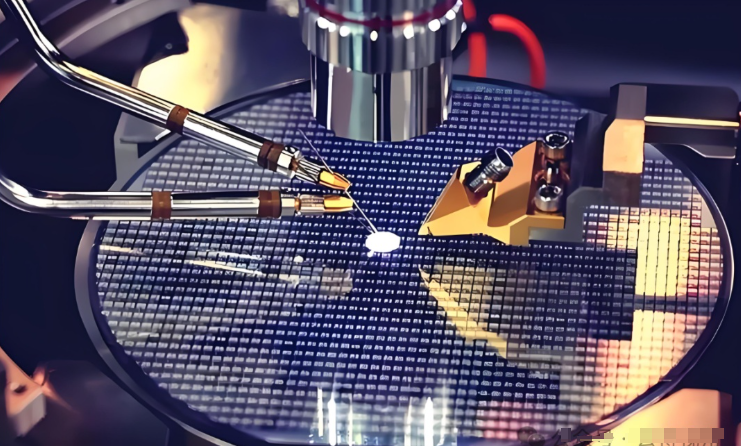
In a high-volume MEMS setup, one bad break can ruin everything. It happens in a heartbeat: an infrared tube bursts, and suddenly your wafers aren’t just wet—they’re covered in glass shards and metallic grit. It’s a nightmare scenario that scraps an entire batch in seconds. We build our heaters specifically so you don’t have to deal with that. Why lamps actually fail Most of the time, it comes down to thermal shock or a nasty hotspot. To fight this, we use high-purity synthetic quartz. It’s tough. It handles the rapid heating and cooling of wafer drying without warping or giving up. We also obsess over the tungsten filament. If it sags even a little or touches the wall, you get a hotspot. That’s usually where the crack starts. We make sure everything is centered perfectly to keep the heat even. Stopping the debris If a lamp does go, you don’t want the fragments hitting your product. That’s why we use a dual-layer setup. We wrap the heating elements in a quartz sleeve or a protective shroud. Think of it as a safety net. If the inner lamp shatters, the outer sleeve catches all the mess. You’ll have a dead lamp to replace, sure, but your wafers stay pristine. We also swapped out flimsy connections for reinforced ones. This stops electrical arcing—those little sparks that cause sudden temperature spikes. When you have a tight, vibration-resistant fit, you get rid of the power surges that kill lamps early. The real-world trade-offs Look, high-wattage shortwave lamps are great because they ramp up fast, which keeps your throughput high. But that much heat density is intense. You’ve got to make sure your chassis ventilation is actually doing its job. If heat builds up around the lamp ends, it can eat away at the seals, no matter how good the quartz is. And here’s a pro tip: keep your reflectors clean. If they get dusty, they reflect heat back into the tube instead of onto the wafers. It’s a small detail, but it’ll make your lamps last a lot longer.