
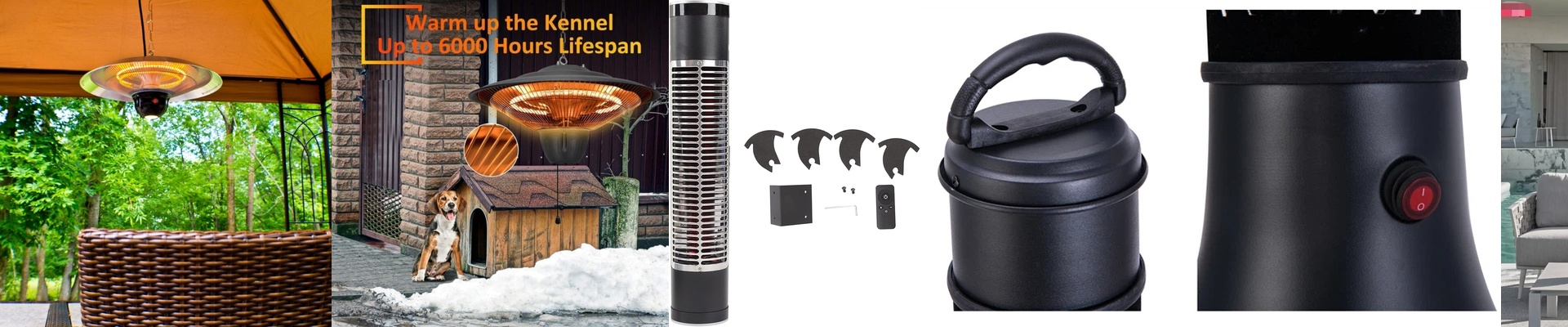
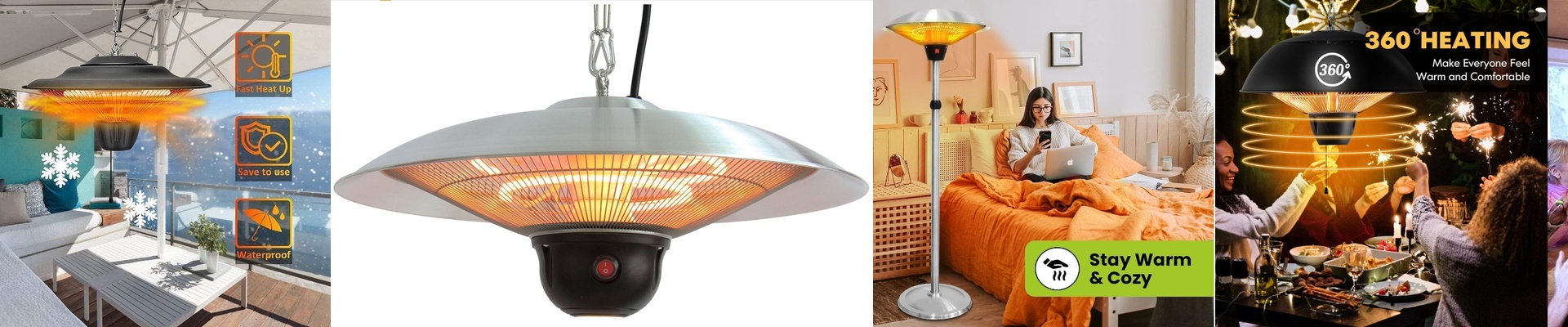
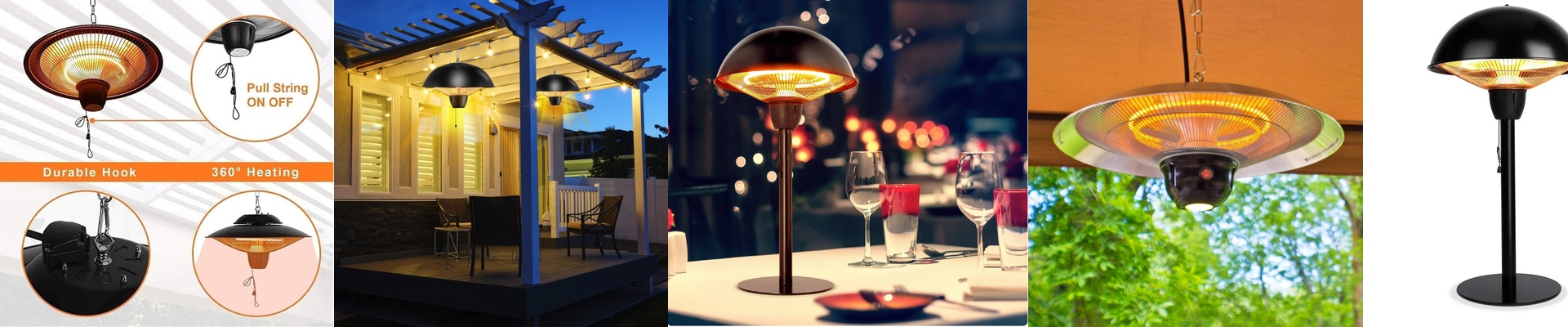
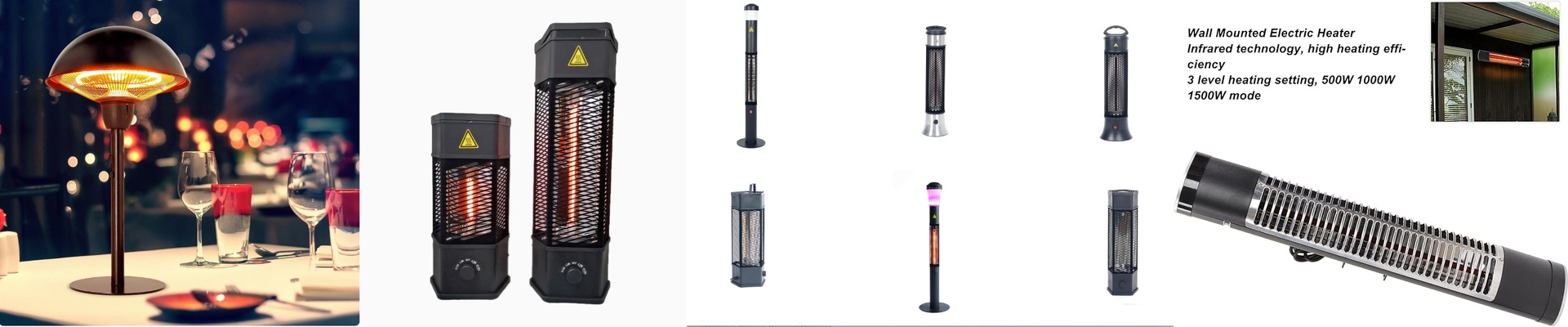
On a plant floor, a Cubicle heater is more than comfort—it’s uptime. When the heat drops, operators slow down, product cures unevenly, and safety checks start backing up. We built our cubicle infrared heater around a simple expectation: service should be fast, not a weekend job.
What matters under the hood
The core is direct-radiant infrared, delivering heat where it’s needed without trying to warm the whole air volume. Depending on the model, you can spec either a quartz tube element or a carbon fiber element—both chosen for quick heat-up, stable output, and the kind of on/off reliability that industrial cycles demand. It runs on standard voltages (commonly 120V or 240V), draws power matched to the space, and the housing is finished to hold up in tough environments. The real call we made in the engineering was the modular element bay: the heating element, reflector assembly, and wiring are laid out so the core service parts are accessible from the front.
Why this design holds up in real work
When a heating element needs replacement five years down the road, you shouldn’t have to tear the whole unit apart. With the modular approach, you pop the front panel, release the element connectors, swap in the new tube or element, and you’re done. No tray removal. No wrestling with hard-to-reach mounts. The payoff is less downtime, fewer maintenance hours, and a consistent heat profile that keeps work moving. In practice, that means fewer temperature swings, steady comfort for staff, and fewer production interruptions waiting for the space to warm back up.
What to watch on install and spec
Because cubicle heaters go into enclosed or semi-enclosed areas, airflow and clearance matter. Keep intake and exhaust paths clear, and match the heater’s wattage to the cubicle size—otherwise you’ll invite overheating or short cycling. Plan the wiring early; some models need a dedicated circuit. If your space is drafty or sees moisture, spec a version rated for outdoor or damp conditions. Indoor-only models aren’t built for direct weather exposure.