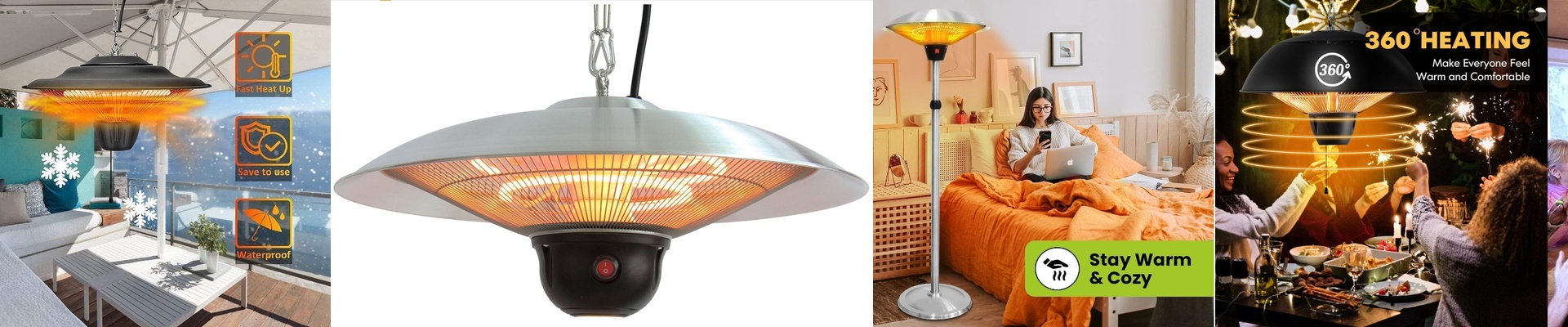
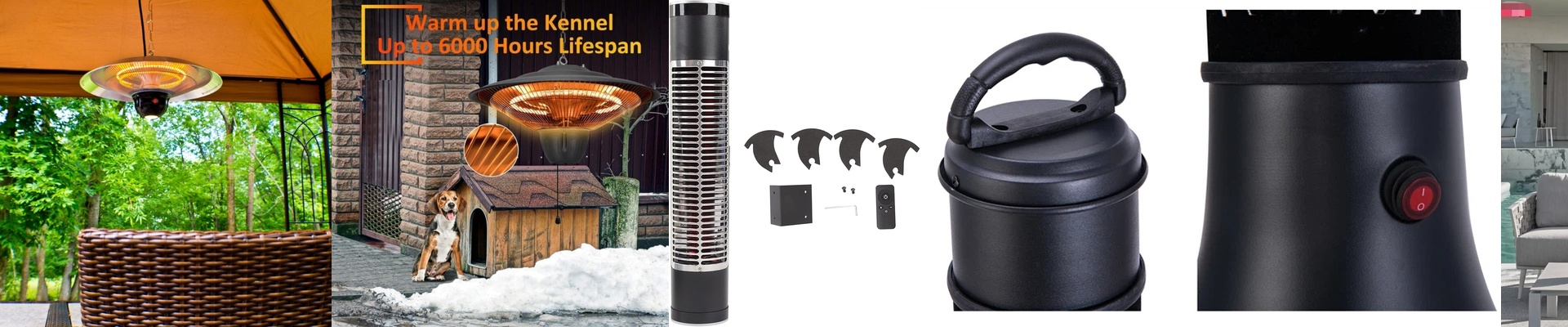
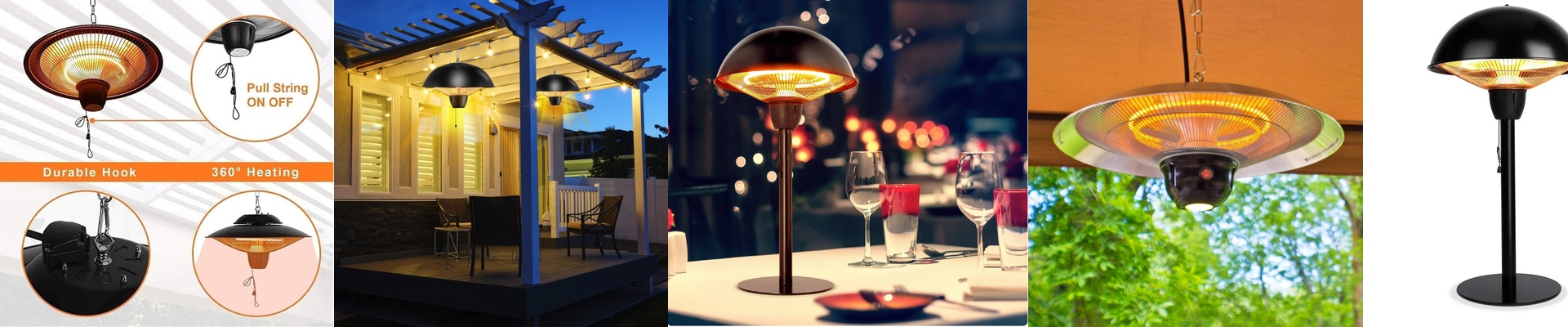
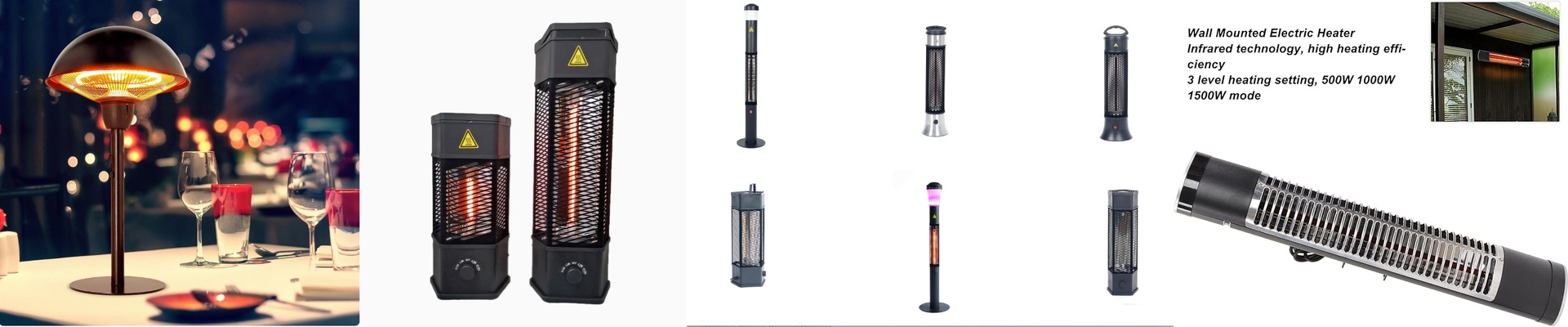
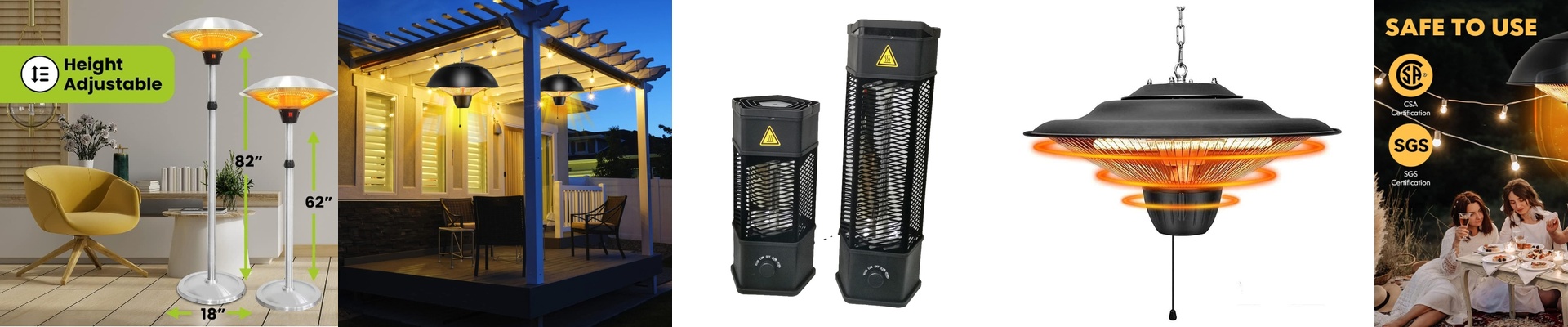
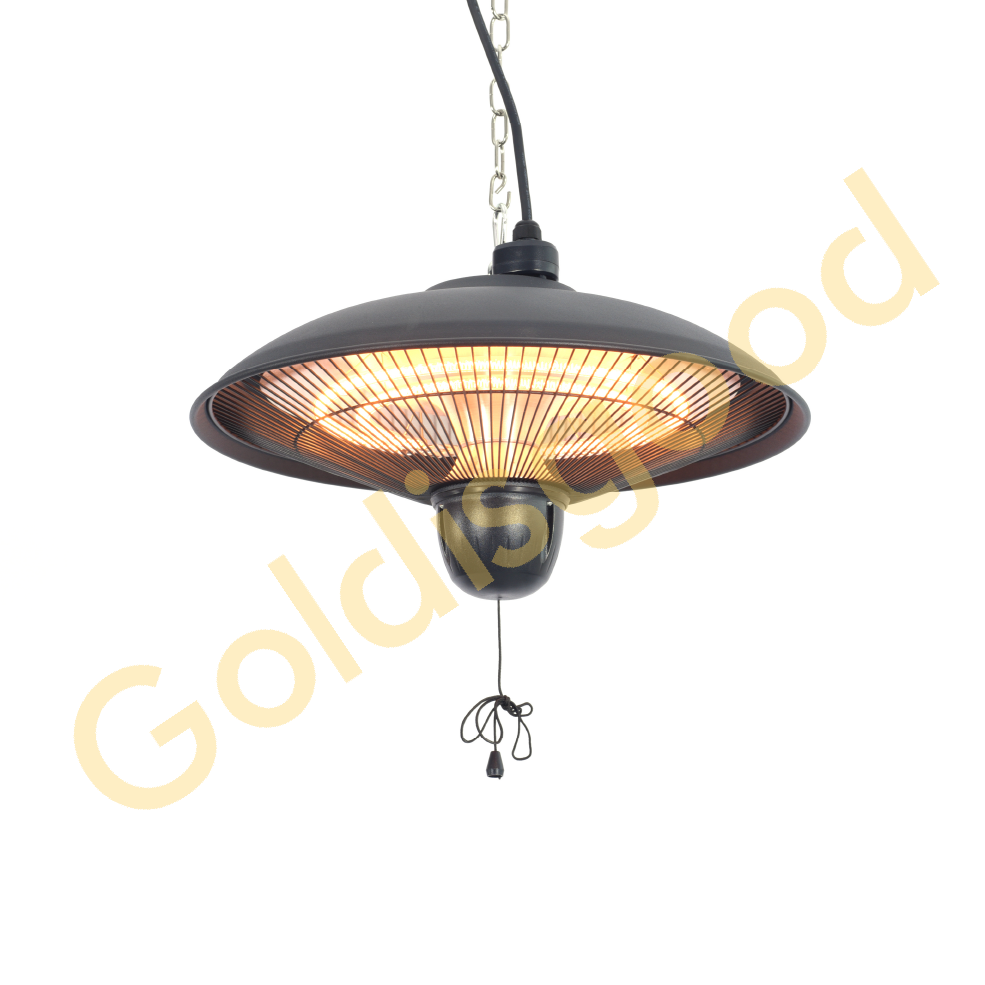
A nursery should feel like a steady, quiet bubble—especially when the air outside turns sharp. Conventional heaters tend to kick up noise and drafts, and some even burn oxygen as they run. That’s why a lot of families are landing on a quartz infrared heater. It warms people directly, not the air, and it does it without a fan and without pulling oxygen out of the room.
What matters, technically
A quartz heater works by sending infrared warmth outward—think of it like the sun’s rays, just without the UV. Inside, the heating element sits in a quartz tube, and that tube is efficient at turning electricity into radiant heat. The payoff is fast, directional comfort: you feel the heat almost as soon as the unit is on, with no waiting around for air to circulate. No combustion. No fan. So it runs quietly, and it doesn’t consume oxygen. Many models also add practical safety features, like tip-over protection and an automatic shut-off if the unit runs too hot.
Why it fits so well here
In a home with an infant, the real win is peace. No whirring blades. No dry blasts. No sudden temperature swings. The air stays still and breathable while your baby sleeps. Quartz infrared warmth feels gentle and even on exposed skin, which helps during diaper changes, night feedings, and naps. For parents, that translates to fewer interruptions and a room that stays consistently cozy—without the constant worry about oxygen loss or overheating.
The practical stuff you need to know
Quartz infrared heaters are built for indoor use and perform best in smaller, well-insulated spaces like nurseries and bedrooms. They deliver targeted comfort, so you feel the warmth most where you’re in the direct line of the radiant heat. For the best results, place the unit so it warms both the crib area and your seating spot, and keep it at a safe distance from bedding and curtains. Always plug into a grounded outlet and follow the spacing guidance—comfort and safety have to go together.