

Stop the Shards: Keeping Your Wafers Clean and Your Dryers Safe
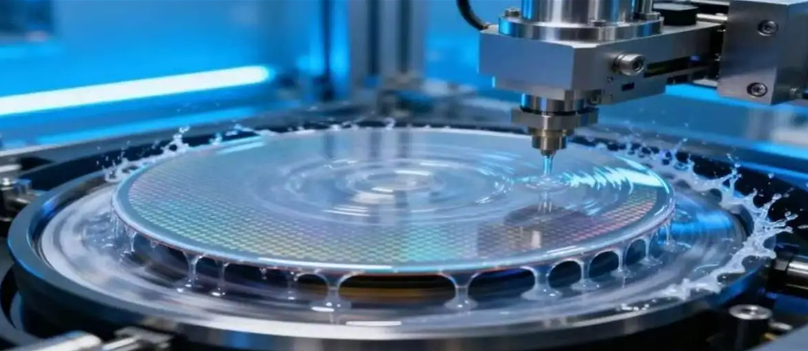
If you’ve ever had an infrared lamp burst in the middle of a high-load production run, you know it’s a nightmare. One second everything is fine, and the next, you’ve got quartz shards and metallic filaments raining down on your substrates. It’s a total disaster. You aren’t just losing one wafer; you’re looking at secondary contamination that can wreck entire batches. We’ve spent a lot of time figuring out how to break that chain of failure before it even starts.
Dealing with the Heat
Most lamps blow because of two things: they get too hot in one spot, or they get a sudden thermal shock. To fix this, we use high-purity quartz glass with a wall thickness specifically chosen to handle the expansion that comes with high wattage. But the glass is only half the battle. The digital controller is what actually does the heavy lifting. It manages how the power ramps up and down. By avoiding those abrupt power spikes, we keep the glass from cracking under pressure. We also use PID loops to make sure the temperature doesn’t overshoot the mark. It keeps the filament right where it needs to be. Now, a word of advice: if you try to push these lamps to 110% capacity just to hit a production goal, you’re going to kill them faster. Also, make sure your cooling airflow actually matches the heat density of the lamps. If it doesn’t, you’ll get heat soak, and that’s where the trouble begins.
Keeping the Debris Out
The goal is simple: nothing should ever fall on the wafers. We use physical shielding and secure mounting to make that happen. Our lamp holders keep the tubes centered and stop them from vibrating. That might seem like a small detail, but when glass rubs against a chassis, it creates micro-fractures. Those tiny cracks are exactly what lead to a burst. We also apply specialized coatings to the quartz. This tunes the infrared wavelength so the energy hits the wafer, not the housing. When the housing gets too hot, it can “outgas,” which basically means it leaks organic contaminants right into your cleanroom. Not a good look.
The Boring (But Important) Stuff
The wiring has to be tight. No exceptions. We use industrial-grade connectors because arcing at the terminals is a recipe for failure. A loose connection creates a hot spot, and that hot spot can melt the lamp end-cap. Do yourself a favor and check your wiring every quarter. It takes a few minutes, but tight connections mean stable power and way fewer blown tubes.