
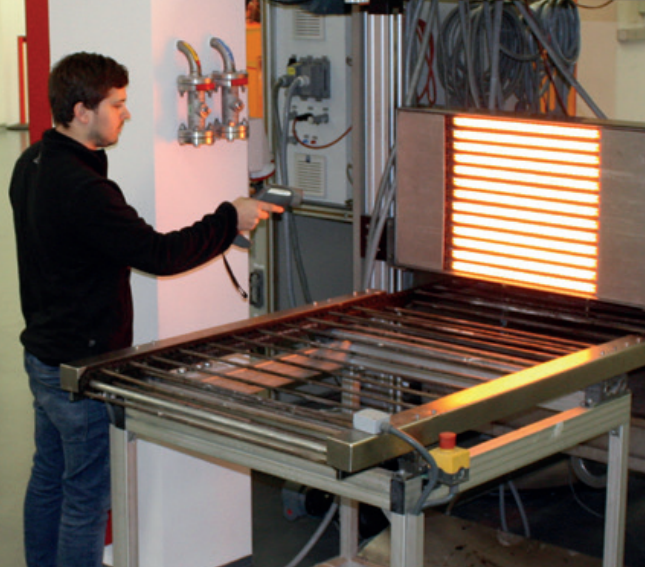
Keeping Your IR Lamps Safe in Chemical Cleaning
If you’re fabricating bio-sensors, you know the drill: you need precise IR heating during the chemical cleaning phase. But here’s the scary part. When you’re working around flammable or explosive vapors, a standard IR lamp is basically a ticking time bomb. One tiny spark or a hairline crack in a quartz tube, and you’ve got a flash fire on your hands. We stopped worrying about the bulb itself and started focusing on how to wrap it. The secret is in the seal. We don’t just throw a cover over the lamp. We completely isolate the electrical parts from the air. We tuck the lamps into specialized quartz or borosilicate sleeves and lock them down with gaskets that can actually handle harsh chemicals. The real magic happens at the electrode junctions. We use hermetic sealing there so those nasty volatile organic compounds (VOCs) can’t leak inside. It stops that annoying “burn out” you see when corrosive cleaning agents eat away at the hardware. Dealing with the heat and the fumes. We set up the heating elements to ramp up fast. You want your substrates to hit that target temperature quickly without “over-soaking” them. While we use high-purity quartz to keep the heat moving through, the outer shielding does the heavy lifting. It takes the beating from the chemical fumes so the filament doesn’t have to. One thing to watch out for? Thermal expansion. If your sleeve and your lamp expand at different rates when they heat up, something is going to snap. A stress fracture is a nightmare. We match the materials carefully to make sure everything grows and shrinks together, keeping the leaks out. The trade-offs. Now, look, adding a protective layer means there’s more material between the heat source and your workpiece. You’ll notice the infrared intensity drops a bit compared to an open-air lamp. It’s not a big deal, though. We just bump up the wattage or move the lamp closer. Just make sure your power supply can handle the extra load—you don’t want to be tripping breakers in the middle of a run. And just a reminder: the encapsulation protects the lamp, but it doesn’t magically clean your air. You still need a solid ventilation system to keep those flammable vapors out of your workspace.