Stop Turning Your Equipment Into an Oven
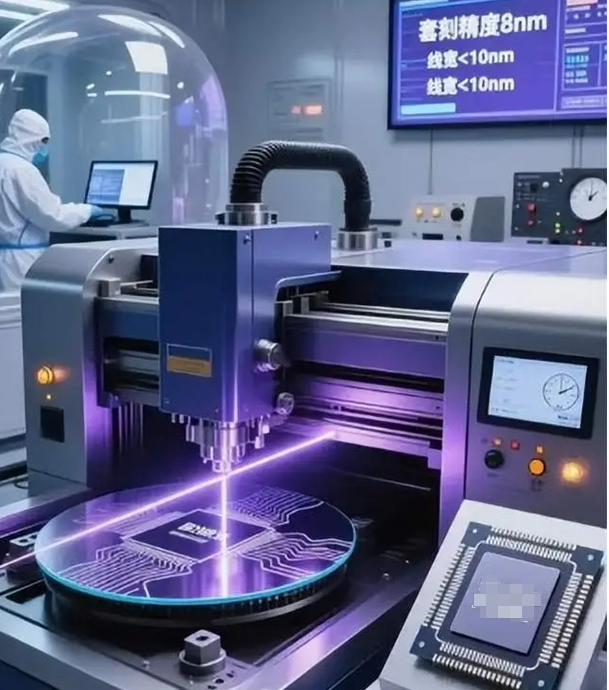
If you’re building bio-sensors, you know the drill: you need a ton of heat, but you need it in one exact spot on the substrate. The problem is that most standard IR lamps just throw energy everywhere. They radiate in 360 degrees. It’s a waste of power, sure, but the real headache is what happens to your gear. The inner walls of your semiconductor equipment soak up all that stray heat. Pretty soon, the whole chassis is scorching. That’s not just a safety risk for your team—it can actually warp the delicate internal parts of the machine. Not a great look. How we fix this We use directional IR technology to stop the bleed. Instead of just sticking in a bare quartz tube and hoping for the best, we use specific reflectors and coatings to push the infrared energy forward. Think of it like a flashlight instead of a bare lightbulb. We focus the heat flux right onto the bio-sensor wafer. Because we’ve tightened the angle, the heat stays where it belongs and stops leaking into the housing. Managing the heat This lets you hit those target temperatures without turning the entire chamber into a sauna. You get a much tighter thermal footprint. And here’s the best part: you can actually crank up the wattage for faster curing or drying cycles. You don’t have to baby the machine or worry about the walls becoming untouchable. The catch Now, nothing is perfect. There is a trade-off here. Since we’re concentrating all that energy, the lamp surface itself gets hot—fast. Much faster than a non-directional setup. You’ve got to be smart about your cooling. Whether you’re using fans or water-jackets, make sure they can handle the heat at the lamp base and the connectors. If your airflow gets blocked, you’re going to burn out those filaments way sooner than you should. Keeping the shop safe At the end of the day, keeping the inner walls cool is about more than just efficiency. It’s about the people running the machines. When the chassis stays cool, your techs can actually get in there to perform maintenance or load wafers without fearing a nasty burn. It takes a dangerous “hot zone” and turns it into a workspace where people can actually breathe.