

Stoping the Nightmare: Keeping Your Wafers Clean When IR Lamps Fail
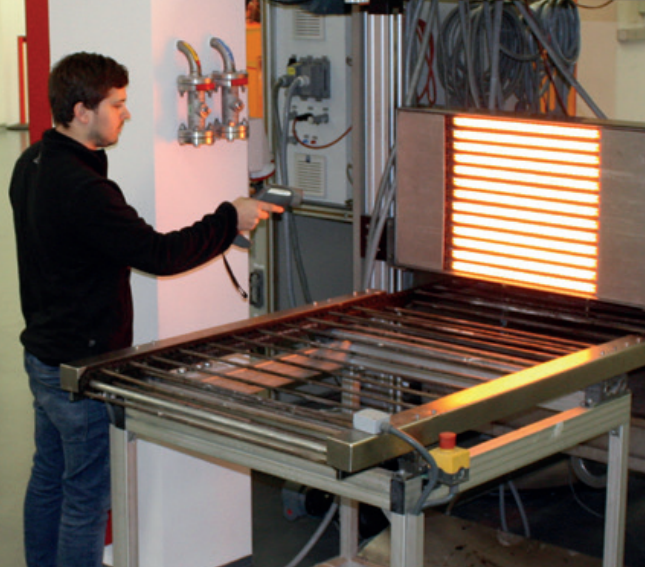
In a semiconductor fab, a lamp blowing out is more than just a headache or a bit of downtime. It’s a disaster. Imagine a quartz tube bursting under a heavy load. Glass shards and tungsten filaments rain down right onto your wafers. Just like that, your entire batch is scrap. It’s a gut-wrenching feeling. That’s exactly why we build our infrared curing lamps with a “safety-first” mindset.
Dealing with the Heat and Pressure
When you’re running high-load production, you need an insane amount of heat density. We use high-purity fused quartz because it can take those rapid temperature swings without just snapping. Plus, we rely on the internal halogen cycle. This keeps the tungsten filament from evaporating too fast, which stops the tube from getting dangerously thin in the middle. There’s a bit of a balancing act with the wall thickness. If it’s too thin, the tube pops under pressure. If it’s too thick, you lose that IR efficiency you need. We’ve spent a lot of time finding that sweet spot so the lamps can take a beating during 24/7 operation.
The “Safety Net” Against Contamination
To make sure a failure doesn’t turn into a cleanup Nightmare, we add a shatter-resistant sleeve or a containment shield. Think of it as a backup. If the inner lamp fails, the outer barrier catches all the debris. Your fab stays clean, and you don’t have to spend the next twelve hours scrubbing the environment. We also use gold-plated or high-reflectivity coatings on the back to push more energy forward. Here’s the trick: this lets you run the lamp at a lower wattage while still hitting the same surface temperature on the wafer. Less heat stress on the glass means the lamp simply lasts longer.
The Honest Truth About Trade-offs
Here is the thing: running these lamps at full tilt creates a massive amount of ambient heat. You can’t just plug them in and forget about them. Your chassis cooling has to be up to the task. If it can’t handle the heat soak, your connectors will fail way sooner than they should. I always recommend checking your airflow rates every quarter. It only takes a few minutes, but it stops those hidden hotspots from forming—the kind that eventually lead to a tube rupture.