


Stop Heating Your Machine and Start Heating Your Sensor
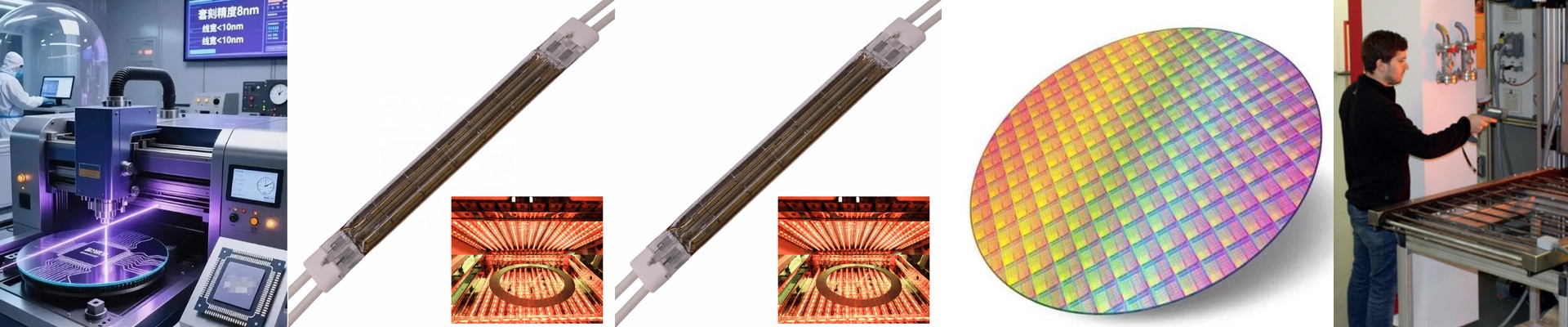
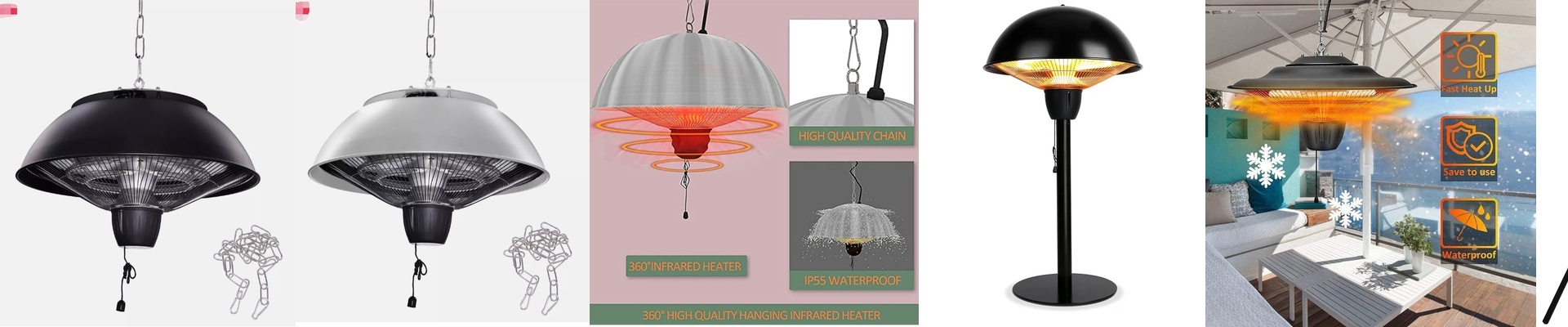
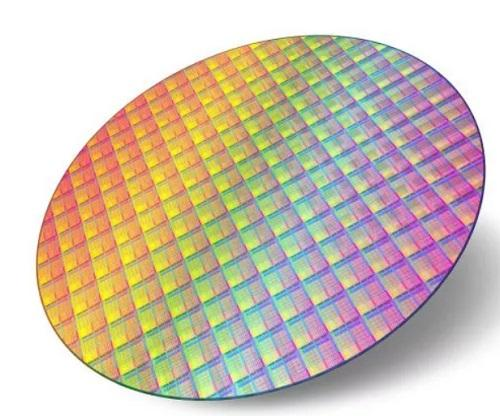
Making bio-sensors is a bit of a balancing act. You need precise heat, but standard infrared lamps are messy. They blast heat in every single direction—360 degrees of wasted energy. The result? The inner walls of your semiconductor gear basically become giant heat sinks. When the chassis gets that hot, you’re not just wasting power; you’re risking your electronics and potentially burning your operators. It’s a headache nobody needs. Here is the fix: directional infrared. Think of it like switching from a lightbulb to a flashlight. Instead of letting heat soak into everything, we use specialized reflectors and emitters to push that energy straight at the substrate. The heat hits the target and stays there. It doesn’t wander off into the machine frame, which means the equipment skin stays cool to the touch. You get a much higher heat density on the wafer, but you aren’t accidentally turning your lab into a sauna. The catch (because there’s always a catch) You can’t just throw a high-wattage lamp into a tight spot and hope for the best. You’ve got to look at your airflow. Because these lamps concentrate energy so tightly, they hit their target temperature fast. That’s great for speed, but it puts a lot more stress on the quartz envelope and the connectors. Plus, you need a power supply that can handle the exact wattage. If you get that wrong, you’ll burn out the filament the second you ramp up. A cleaner, safer workspace The best part? You can ditch those massive, noisy cooling fans that usually take up half the room. Your footprint shrinks. Since the outside of the machine stays cool, your team can actually work closer to the gear without worrying about getting scorched. It just makes sense—why pay to heat up steel and air when you only care about the sensor? Just one tip:**get your alignment perfect.**If the lamp shifts even a few millimeters, you’ll miss the target and start heating the housing all over again. Measure twice, bolt it down once.